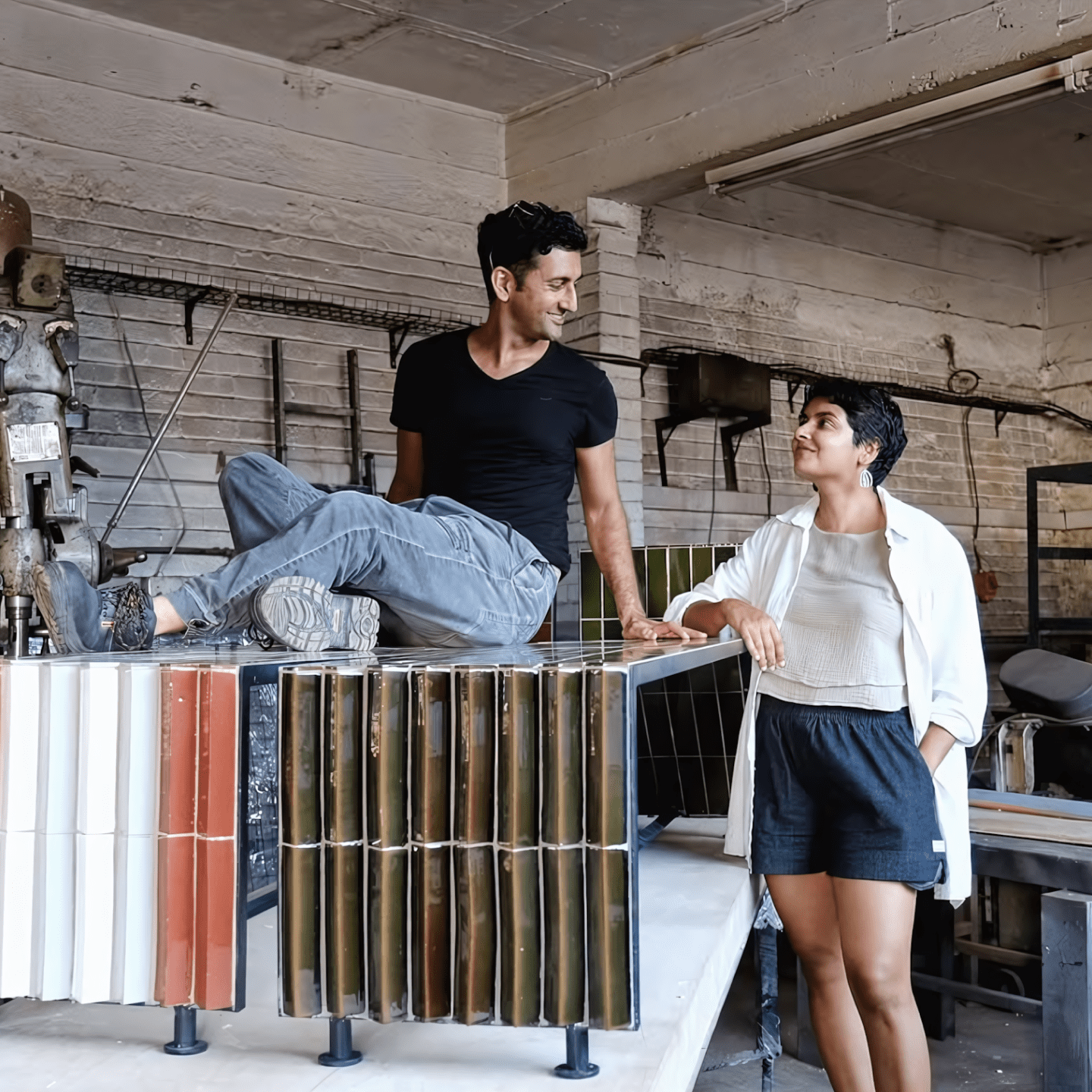
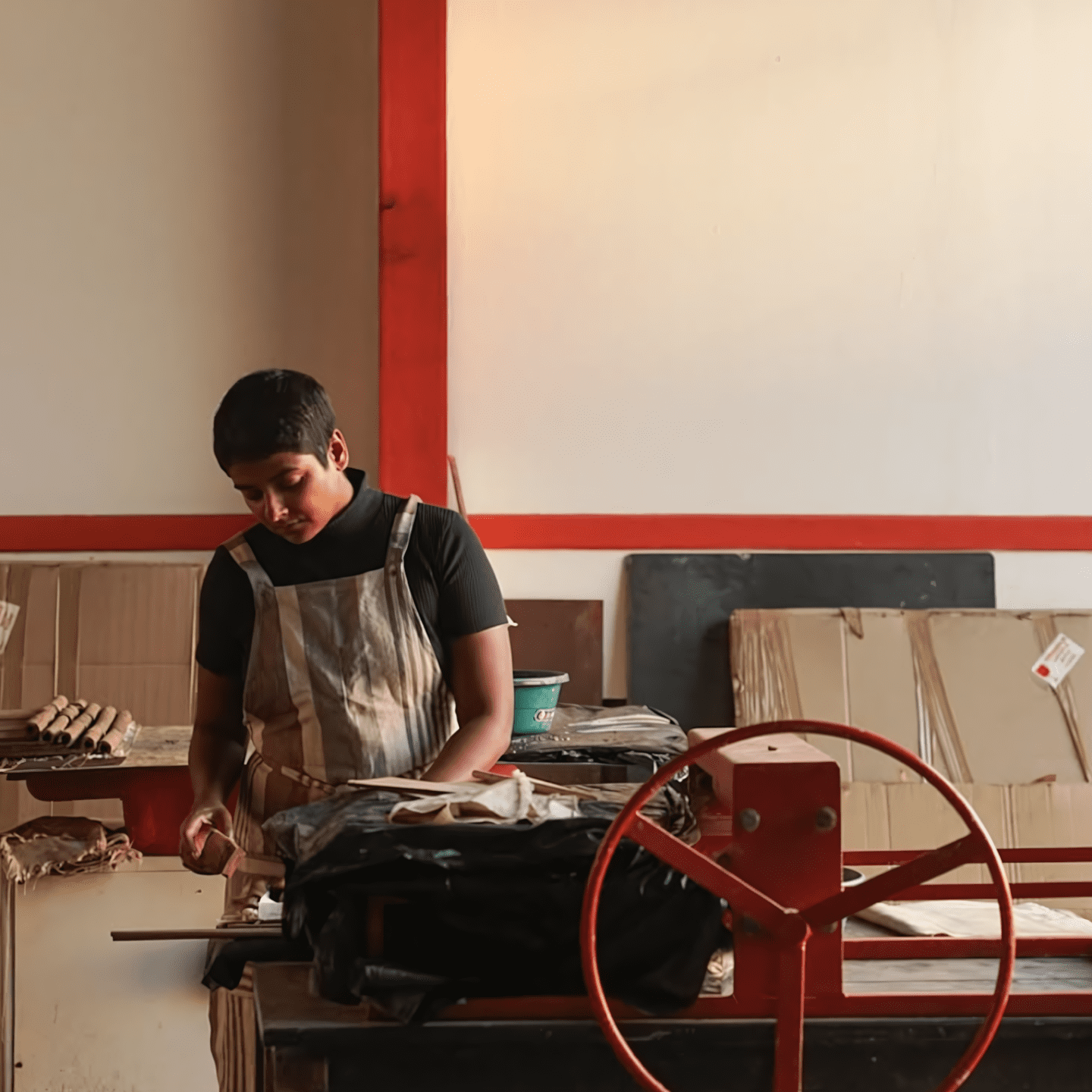
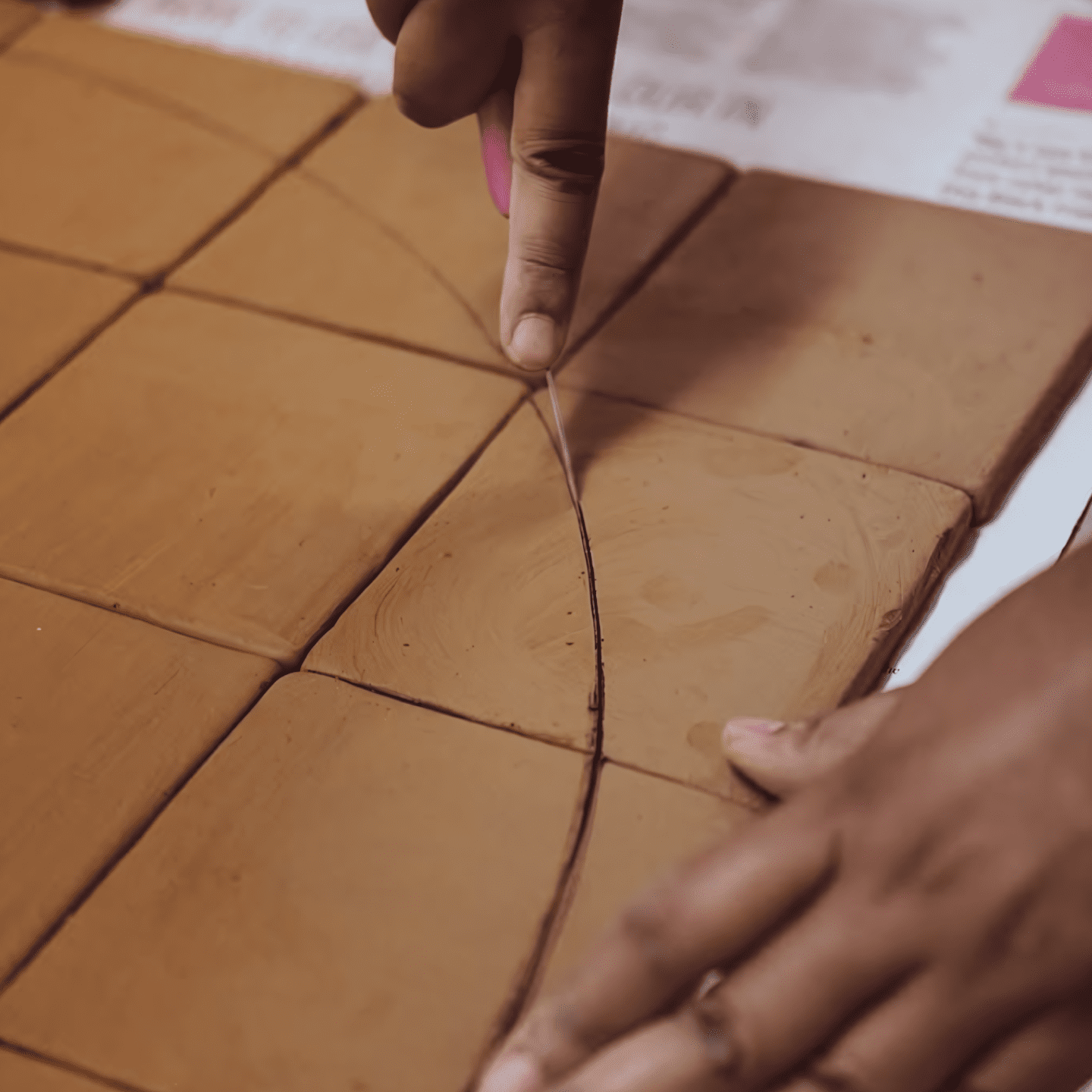
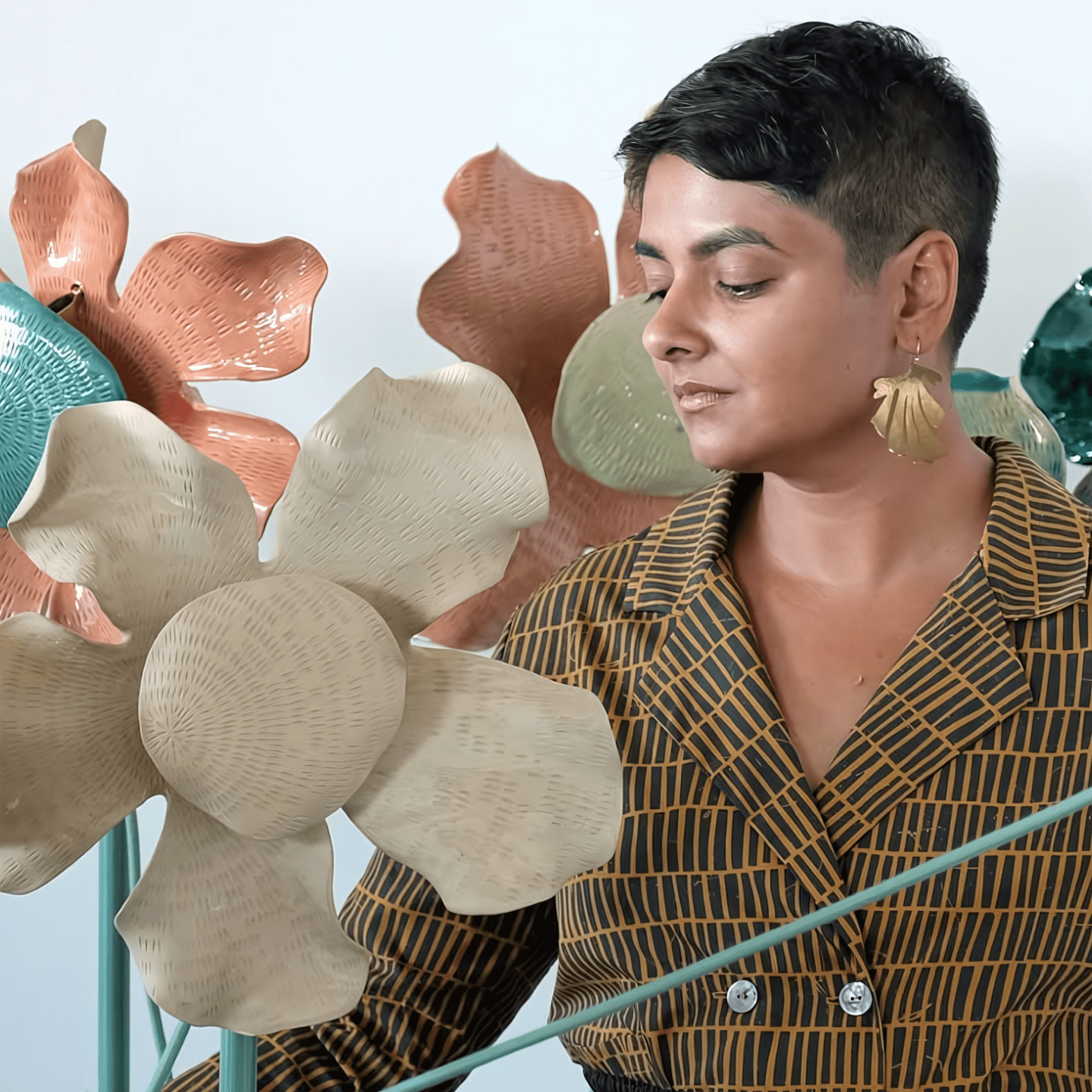
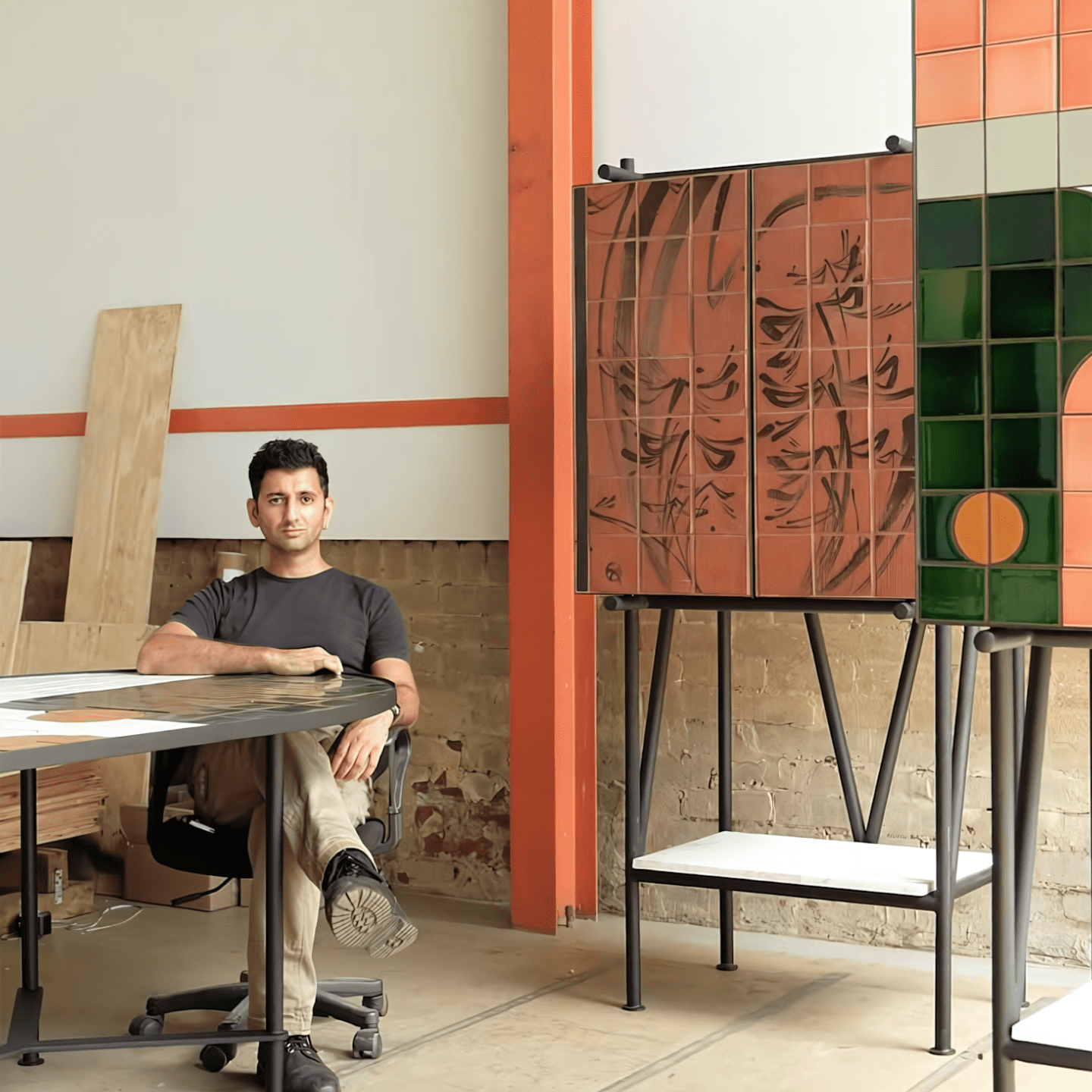
In a sunlit Durban studio, two architects-turned-makers spend their days hand-cutting tiles, mixing glazes, and sketching bold new designs – proof that sometimes the best design journeys start by getting your hands dirty.
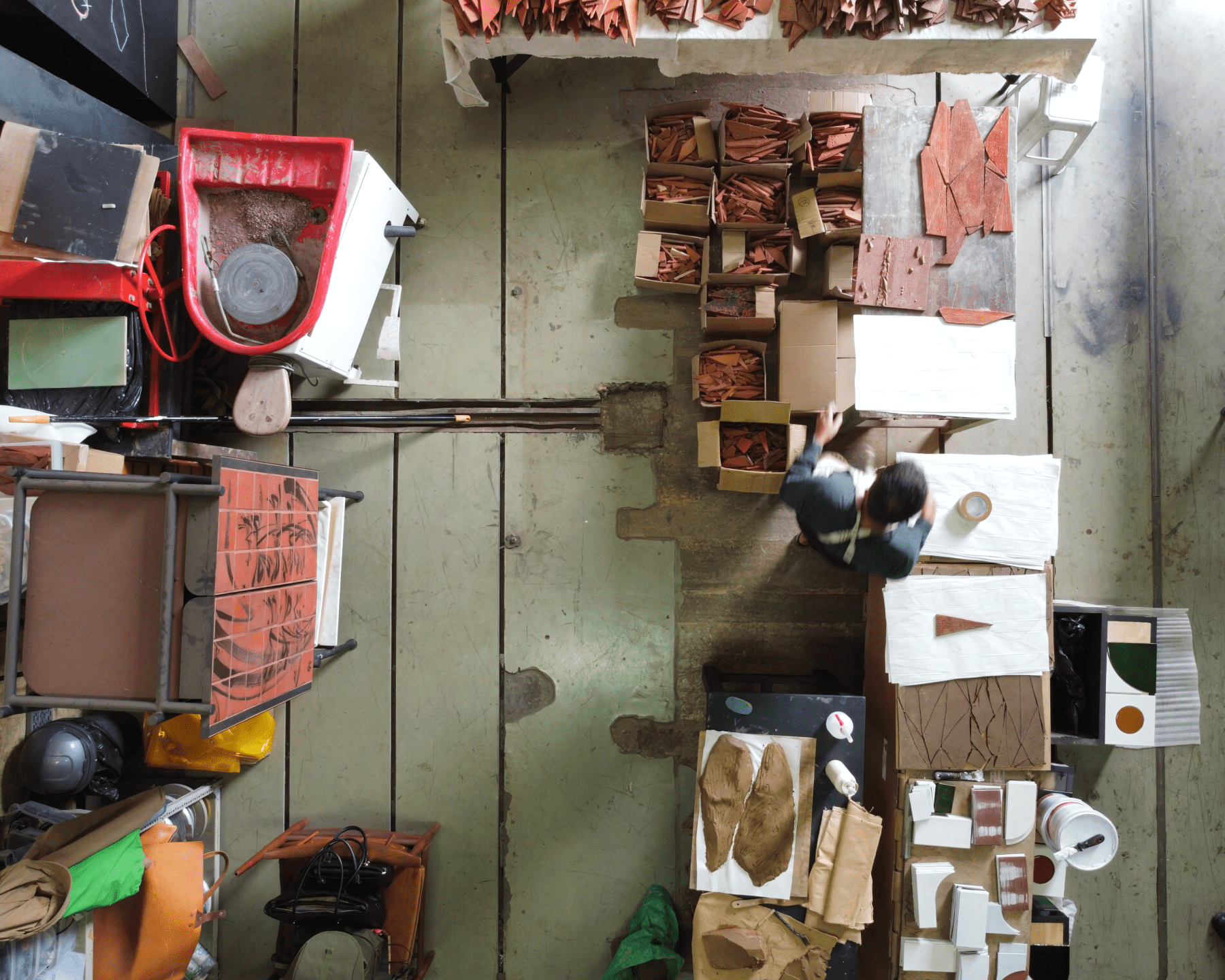
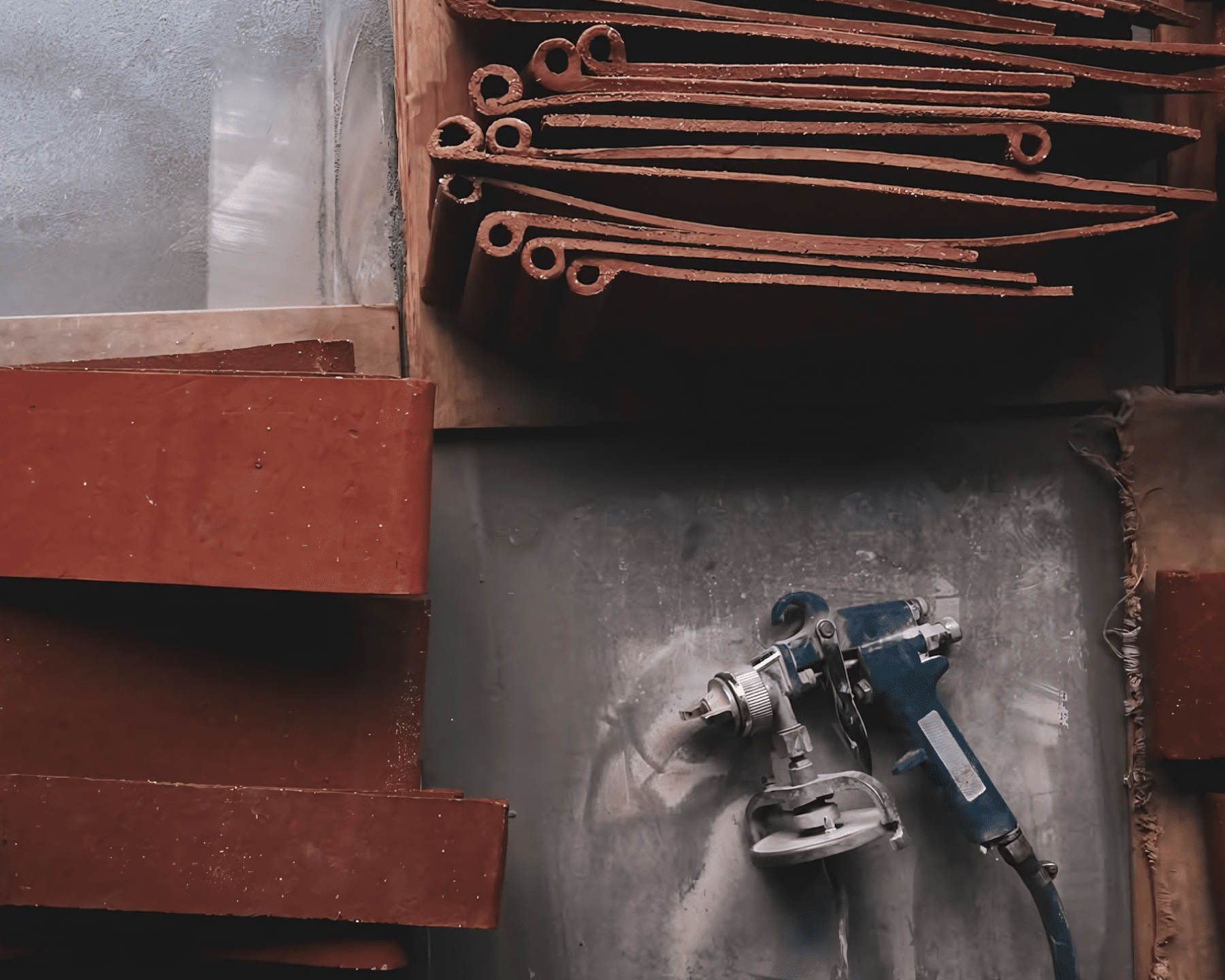
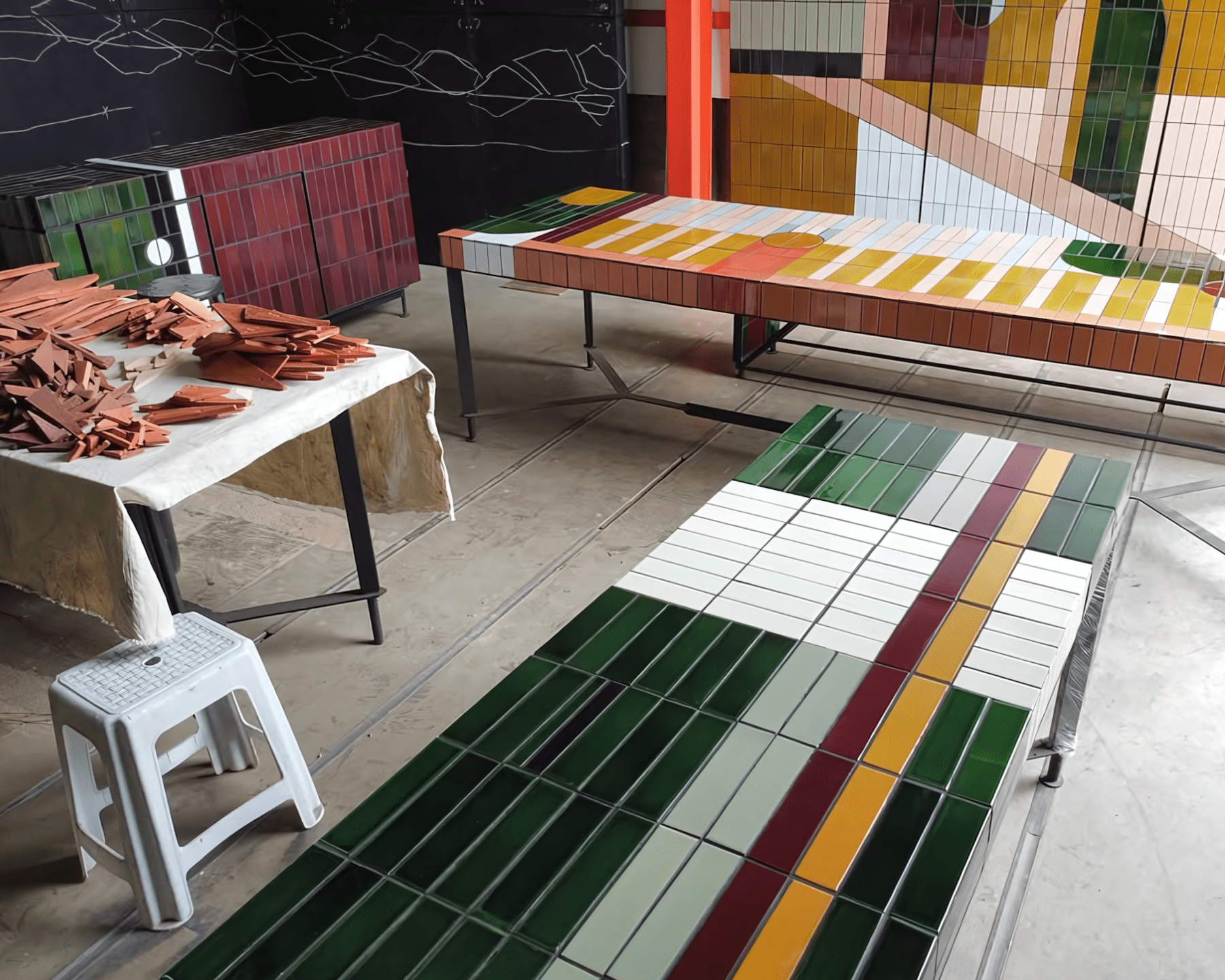
Walk into Studio Kalki and you find a space alive with action. Clay dries on racks. Colour tests line the tables. Steel pieces wait for assembly. Nothing here feels stiff or overly polished. It feels like a studio run by people who love making things. Nikhil Tricam and Nindya Bucktowar, partners in life and in work, move side by side as they build objects that balance detail, texture, and a strong sense of place. Their world is creative, fast moving, and surprisingly fun.
The Kalki story begins with two architects who discovered that design felt more exciting when it was hands on. In 2020 they launched Kalki Ceramics. What started with tiles quickly grew into a bigger playground. Installations. Sculptural objects. Furniture. Collaborations. Each new piece pushed them into new territory.
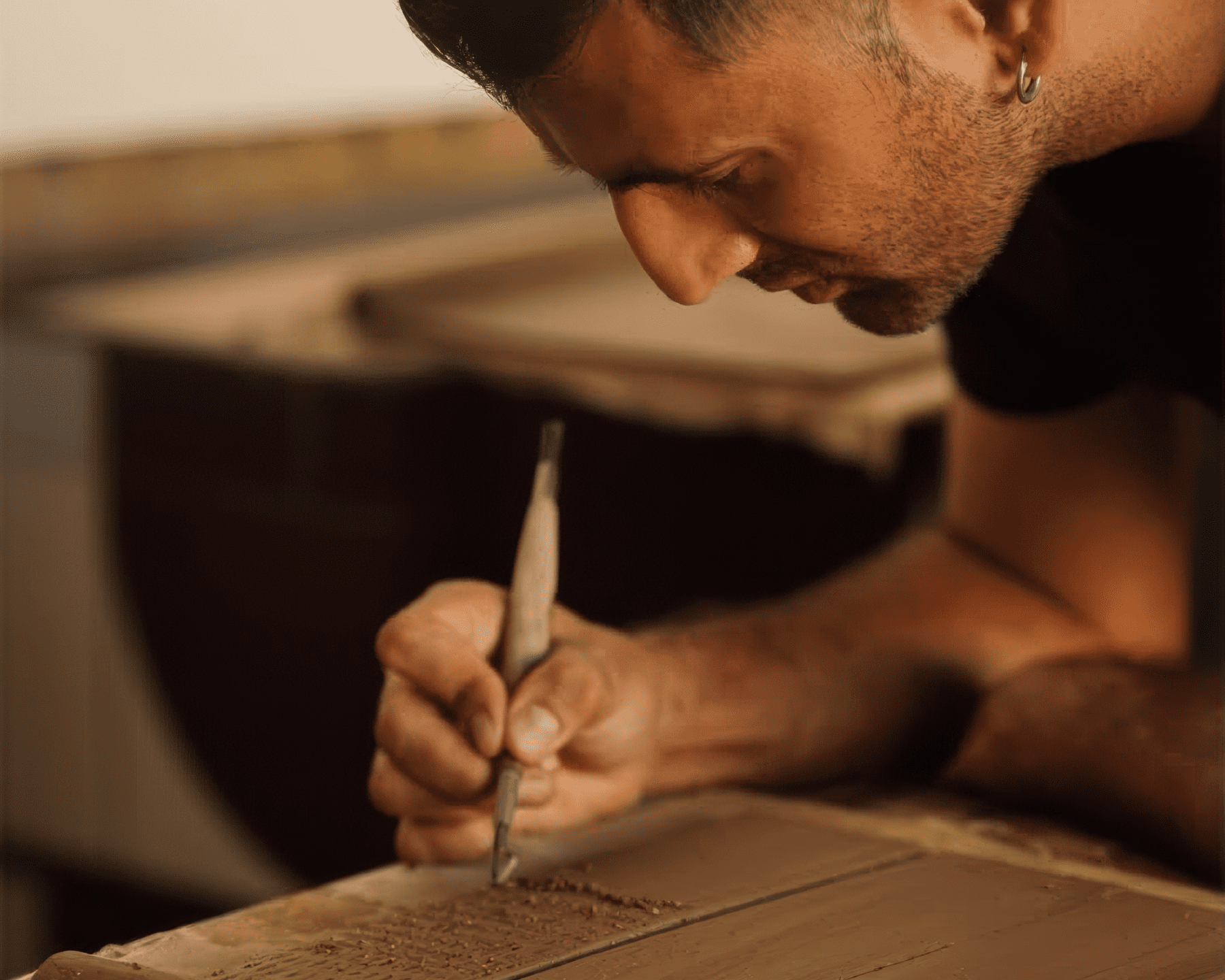
Nindya found clay later in life, after growing up in Mauritius where the material was not easily accessible. The impact was immediate. “Clay is a powerful teacher. I learnt so much about myself through this medium.” Her work carries this honesty. She likes the discipline of sculpting, refining, and letting the kiln have the final say.
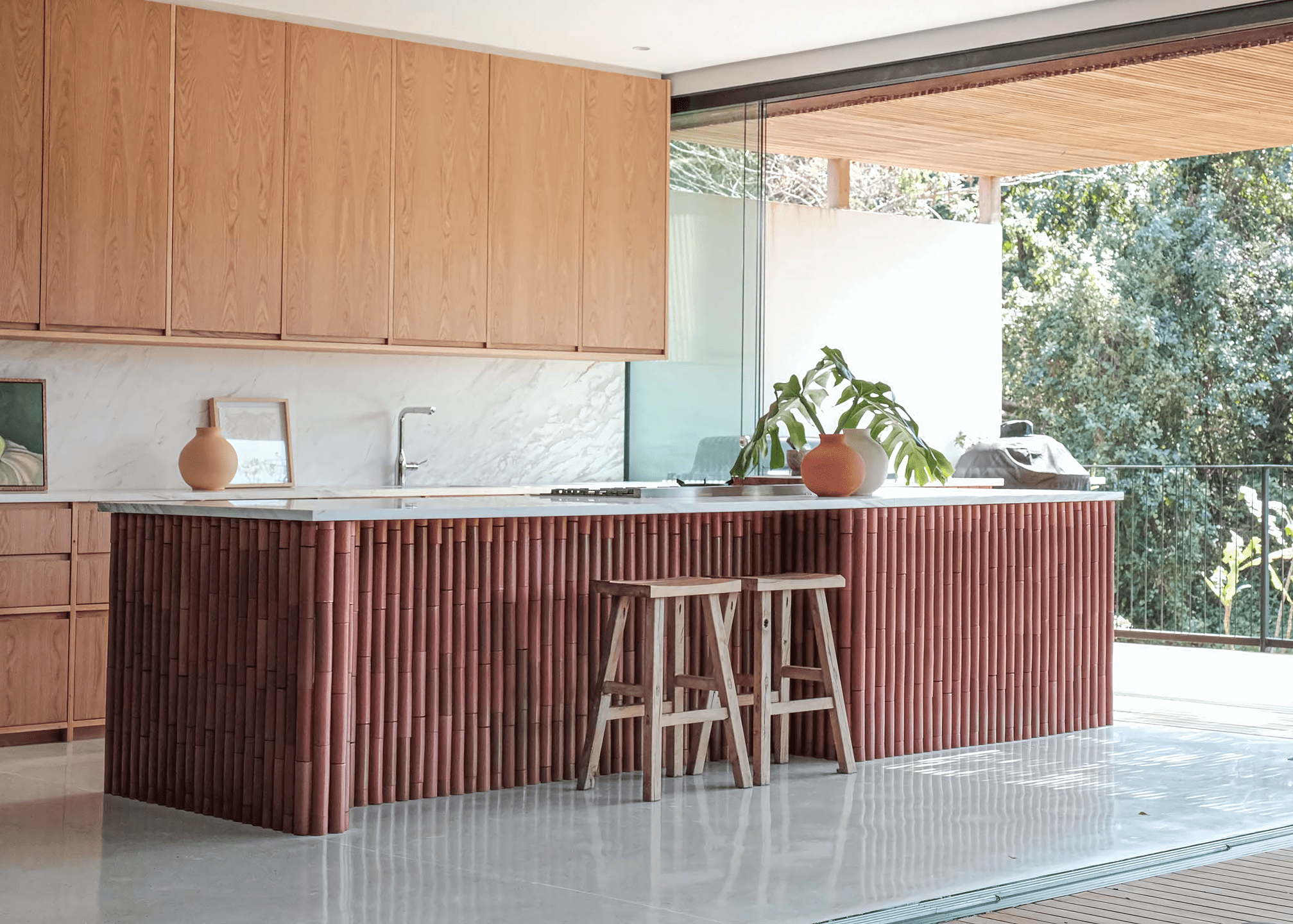
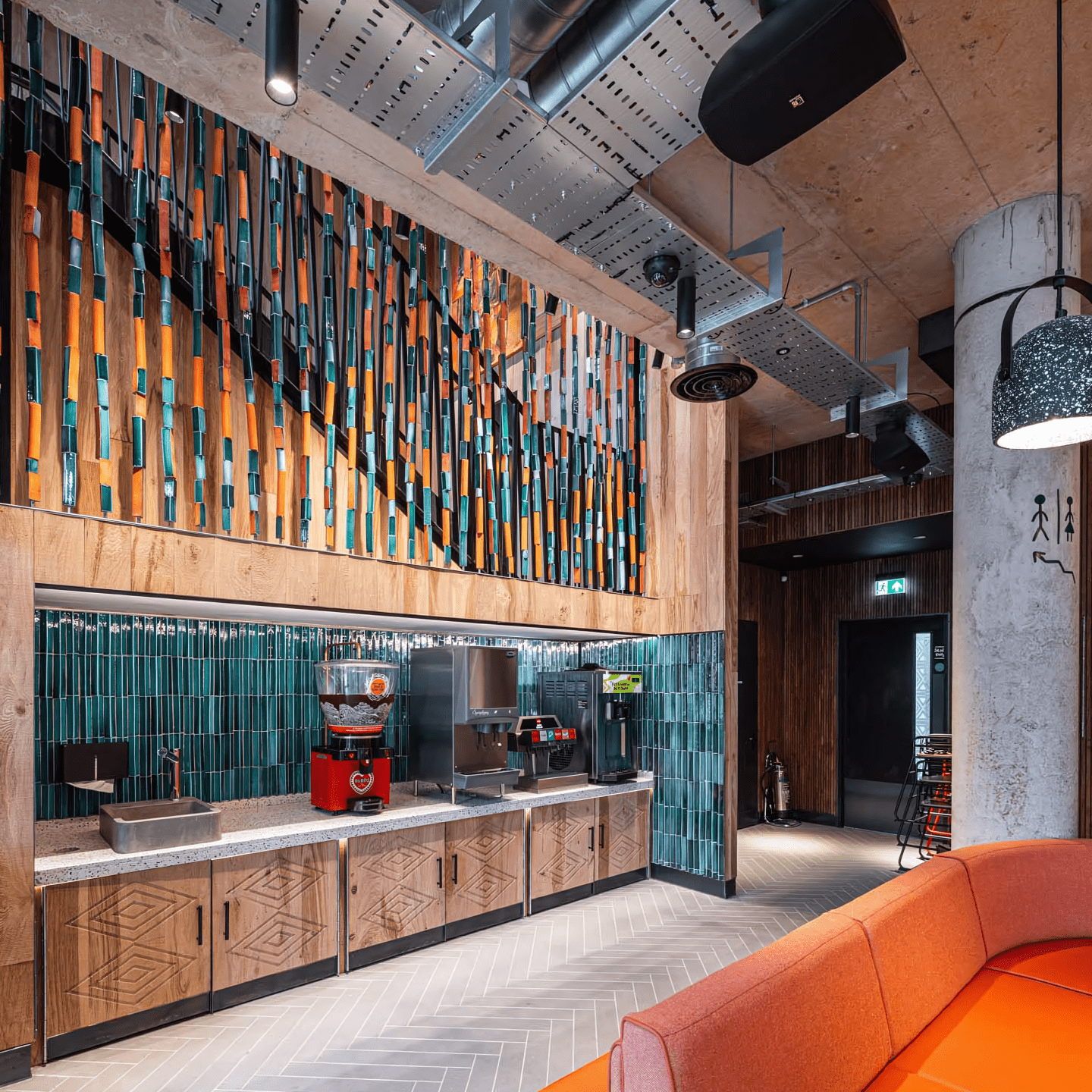
Elaleni Forest House
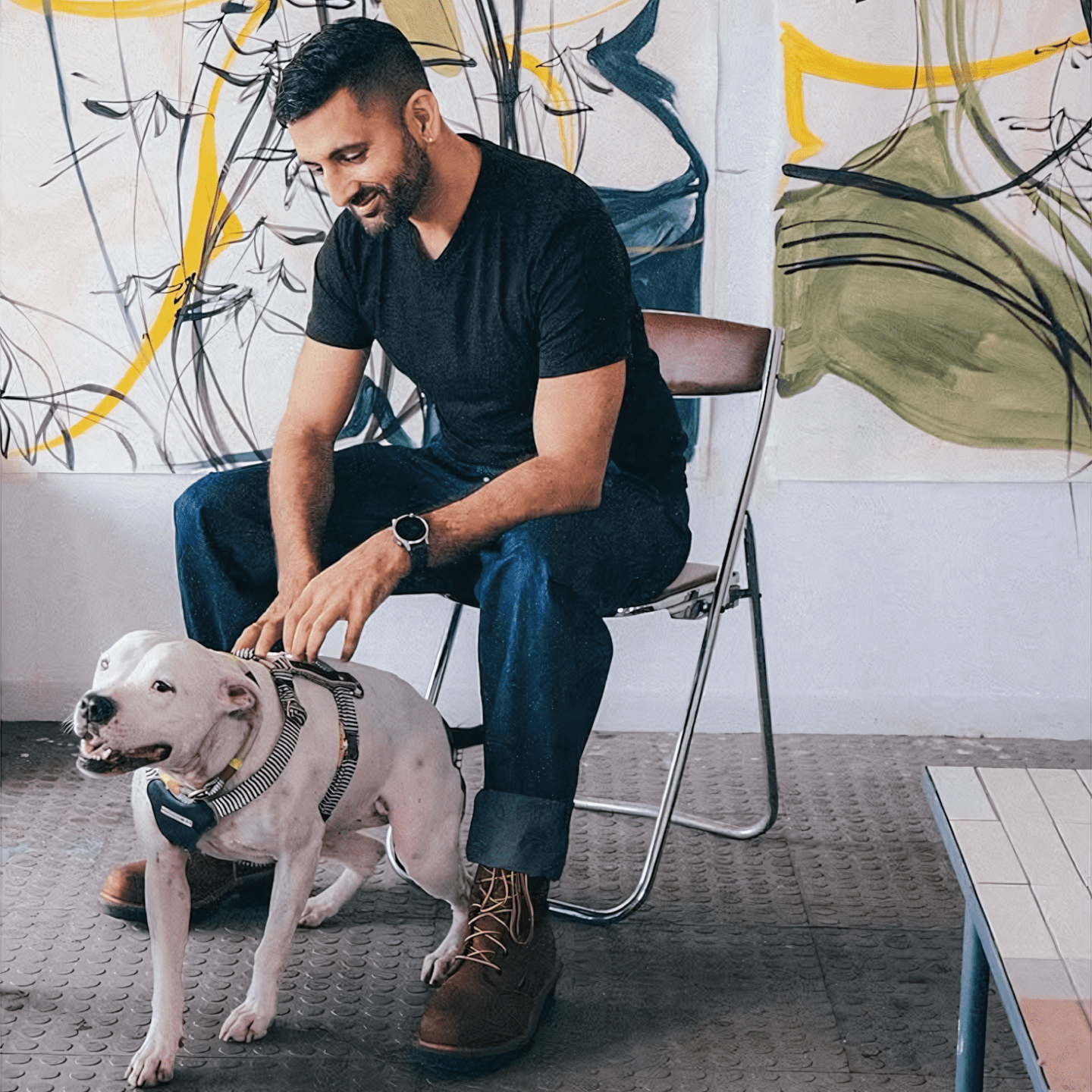
Nikhil came through architecture but always felt pulled toward making. In his words, “My work as a designer is an extension of the act of liberation.” He talks about design in a calm, grounded way. No fuss. No ego. Just the steady belief that good ideas come from doing the work. He is also the one who reminds people that creativity still needs structure.
“People underestimate the coordination required to get things done well.”
Their partnership is tight. Built on trust and a shared appetite for experimentation. As Nindya puts it, “We trust each other blindly and value one another’s input.” It shows in their process. They move together with an easy rhythm.
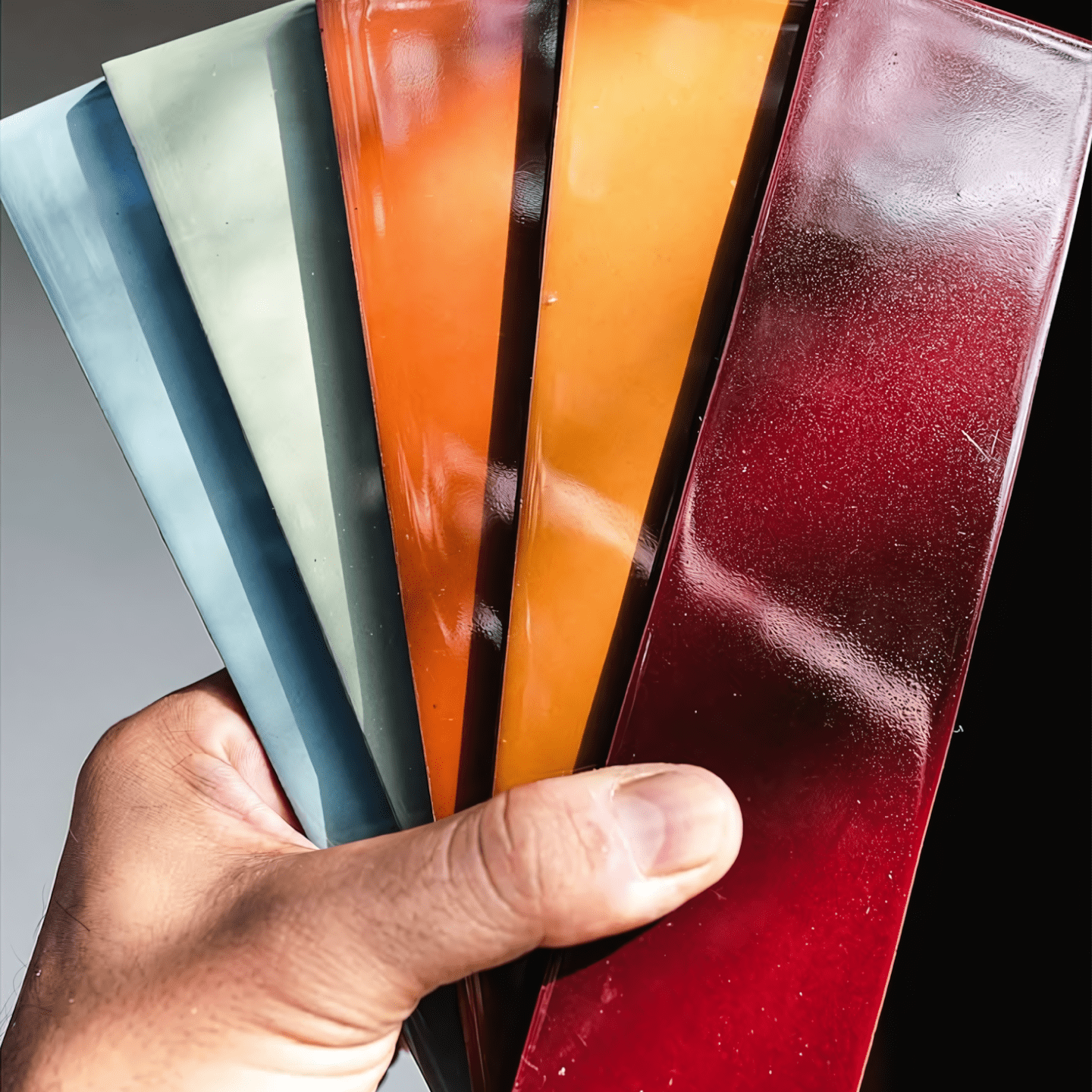
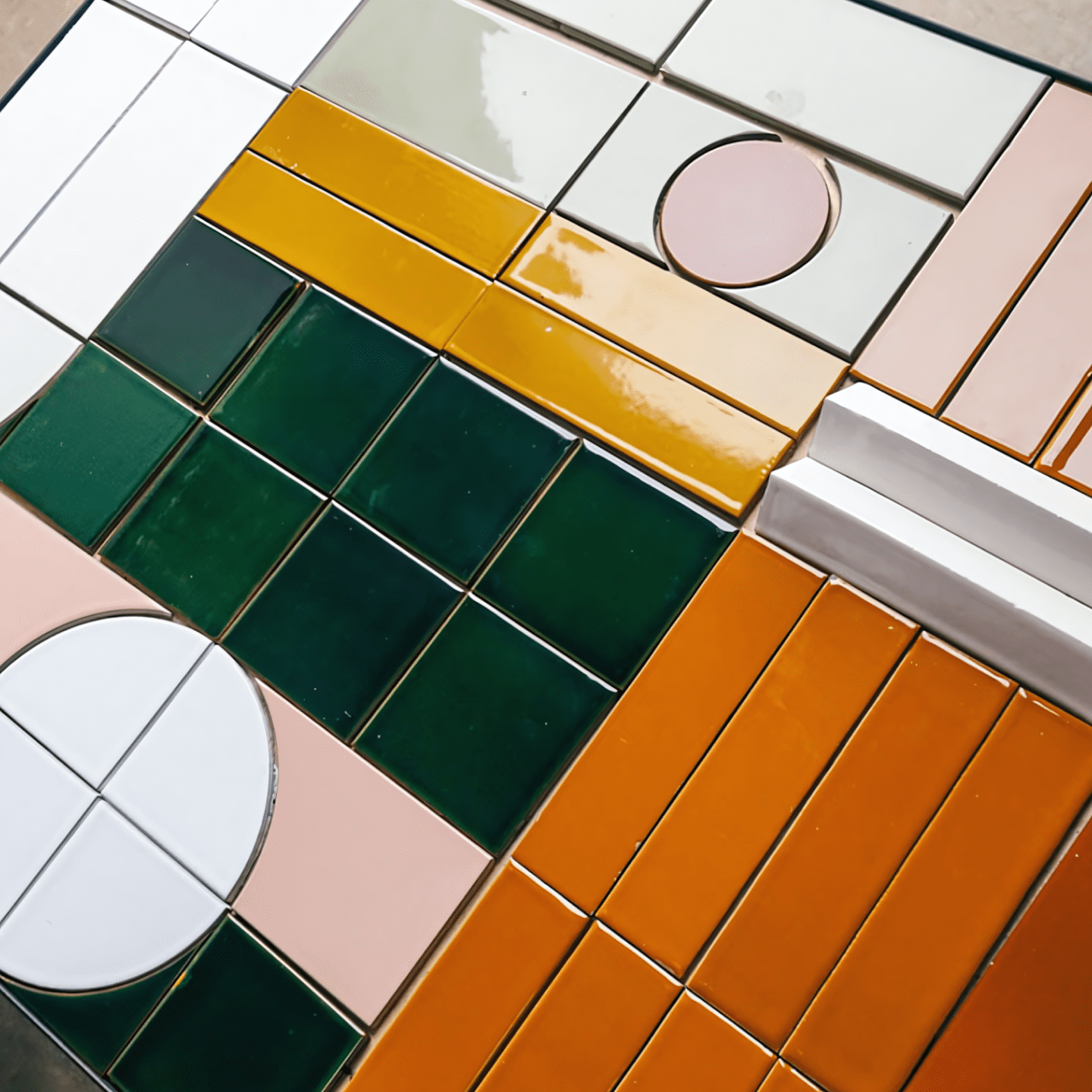
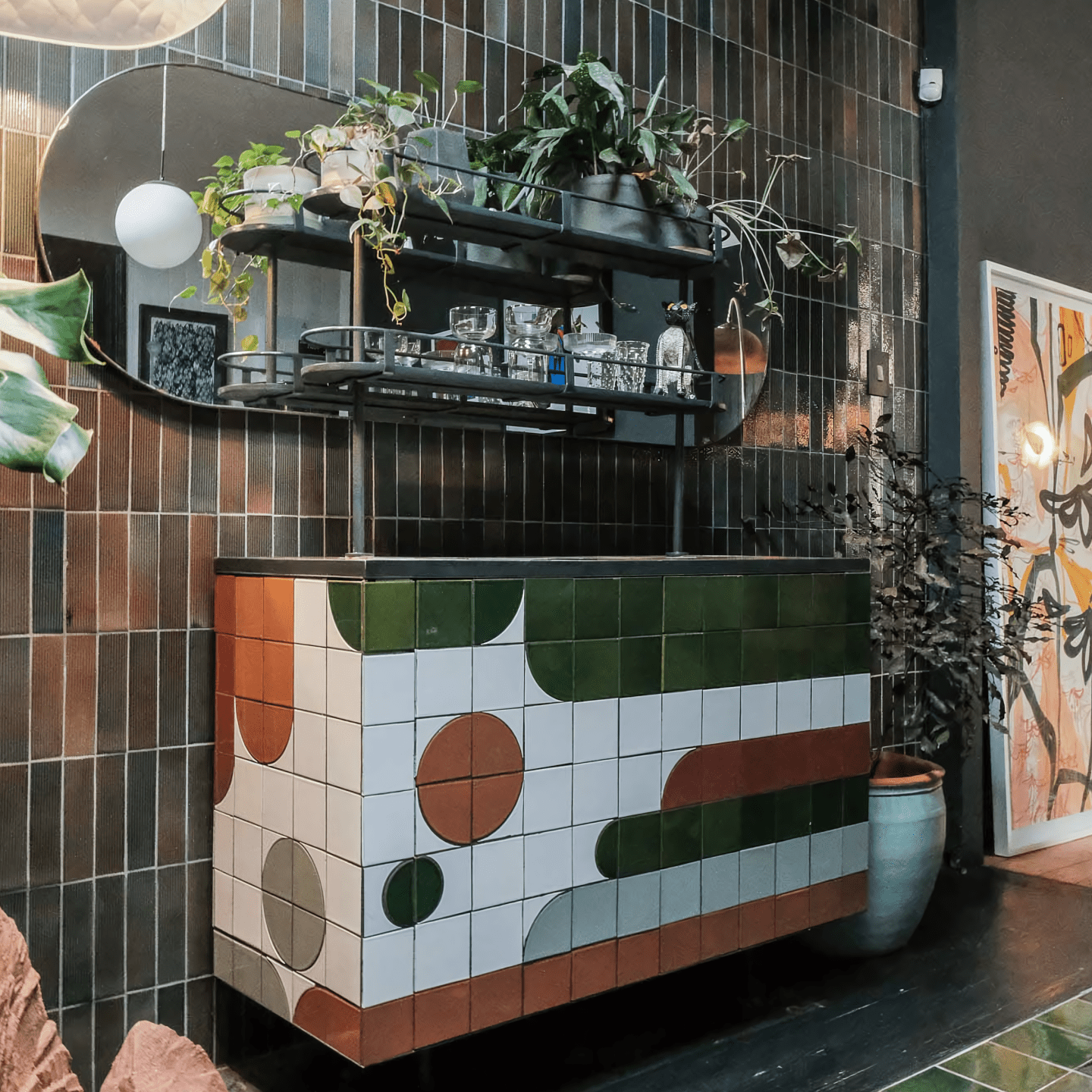
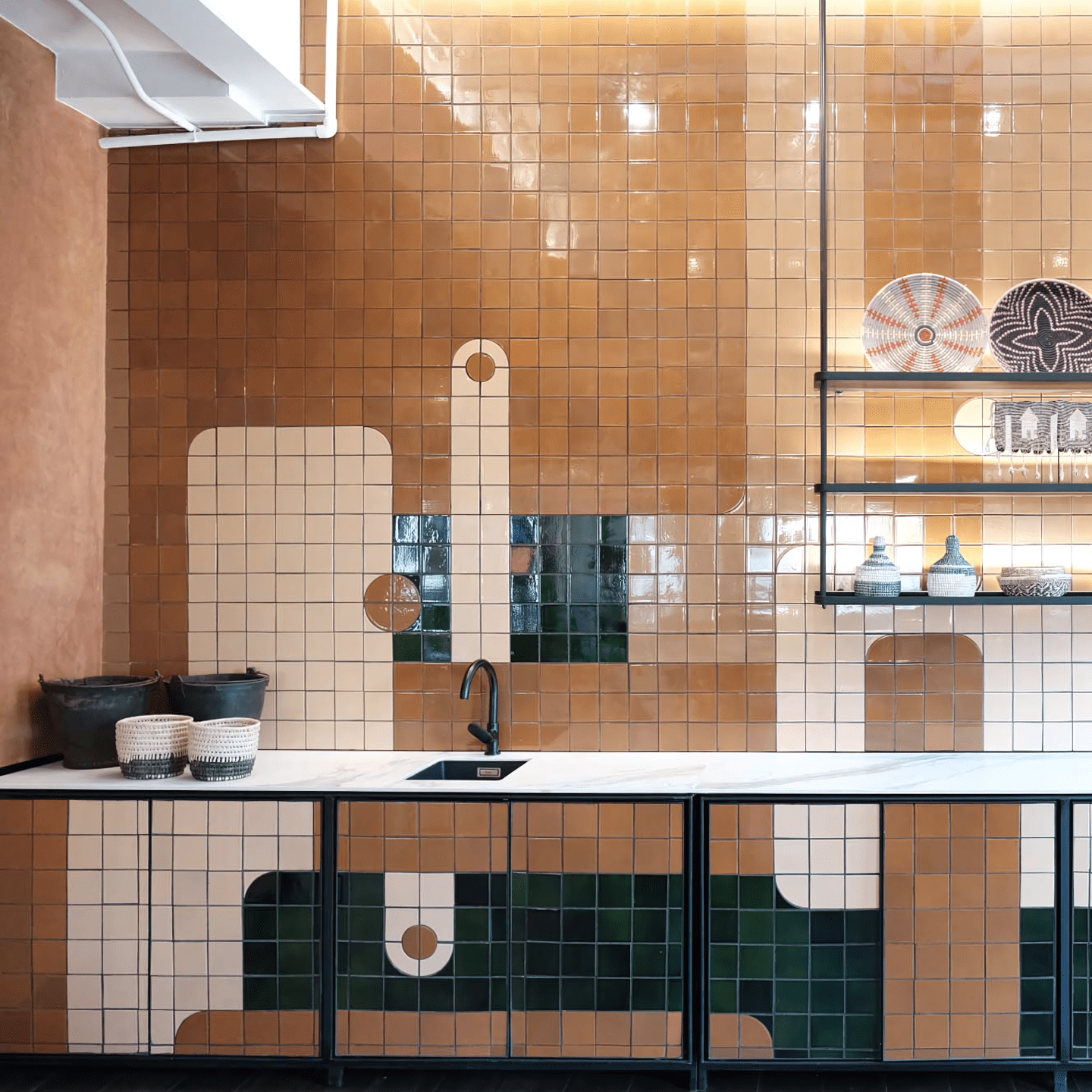
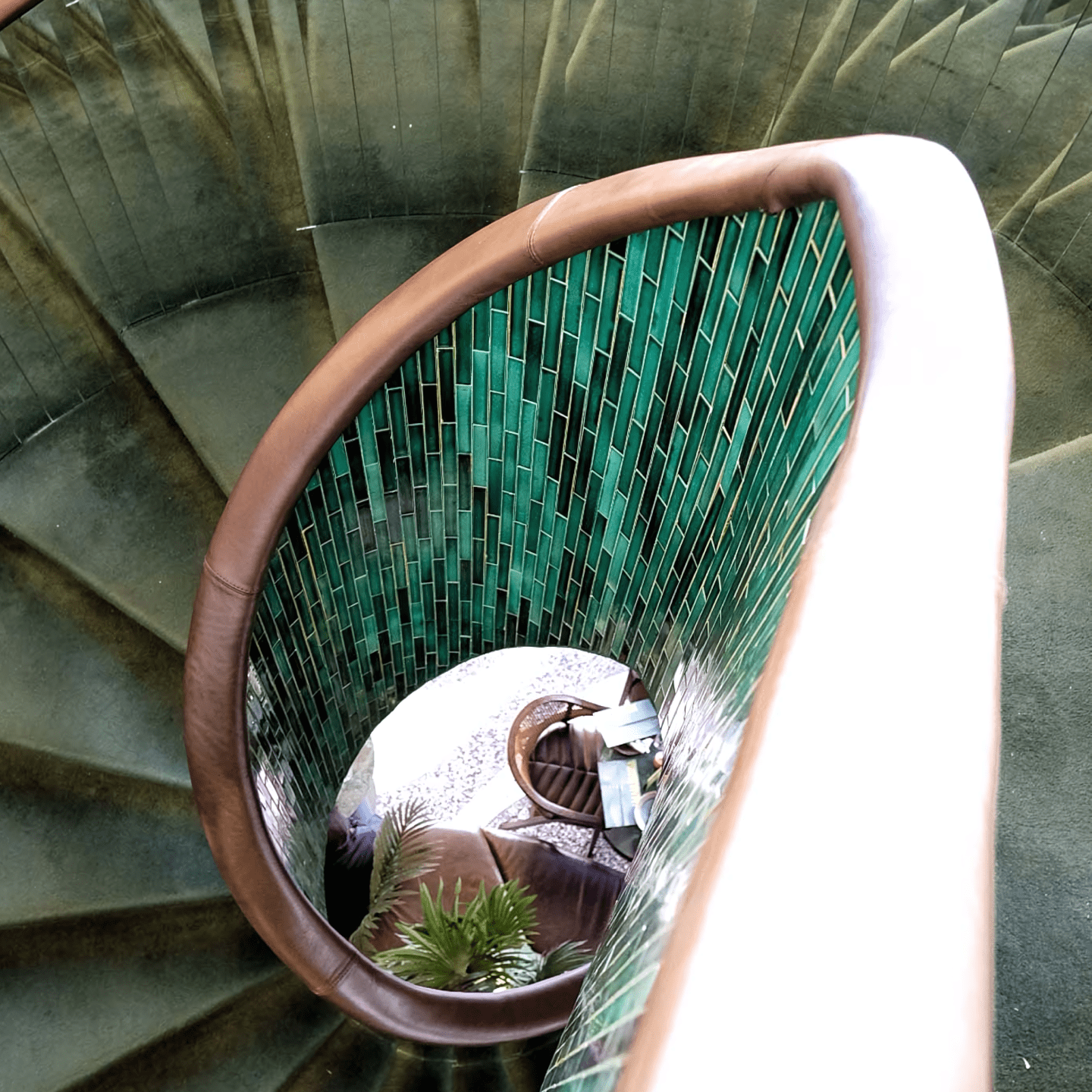
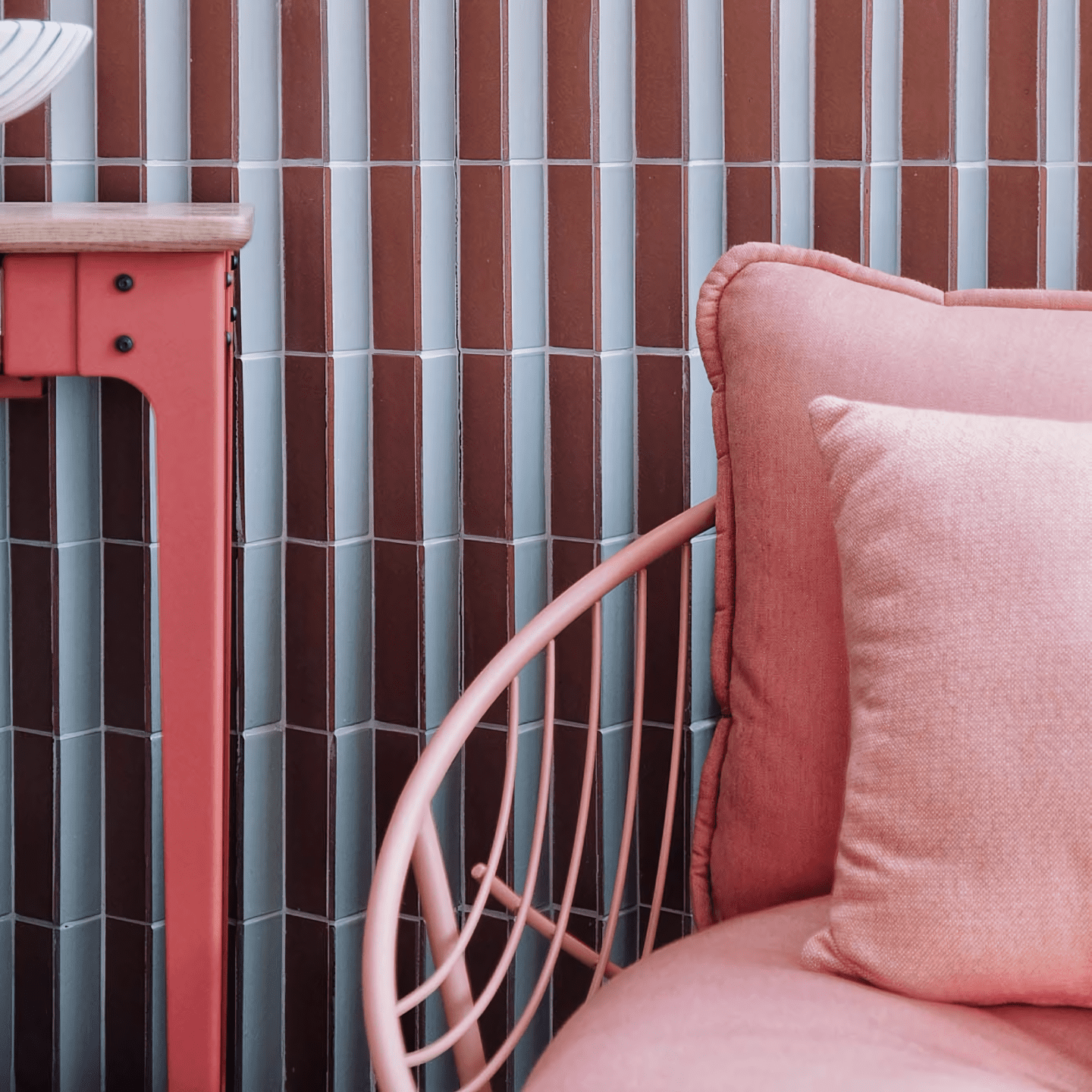
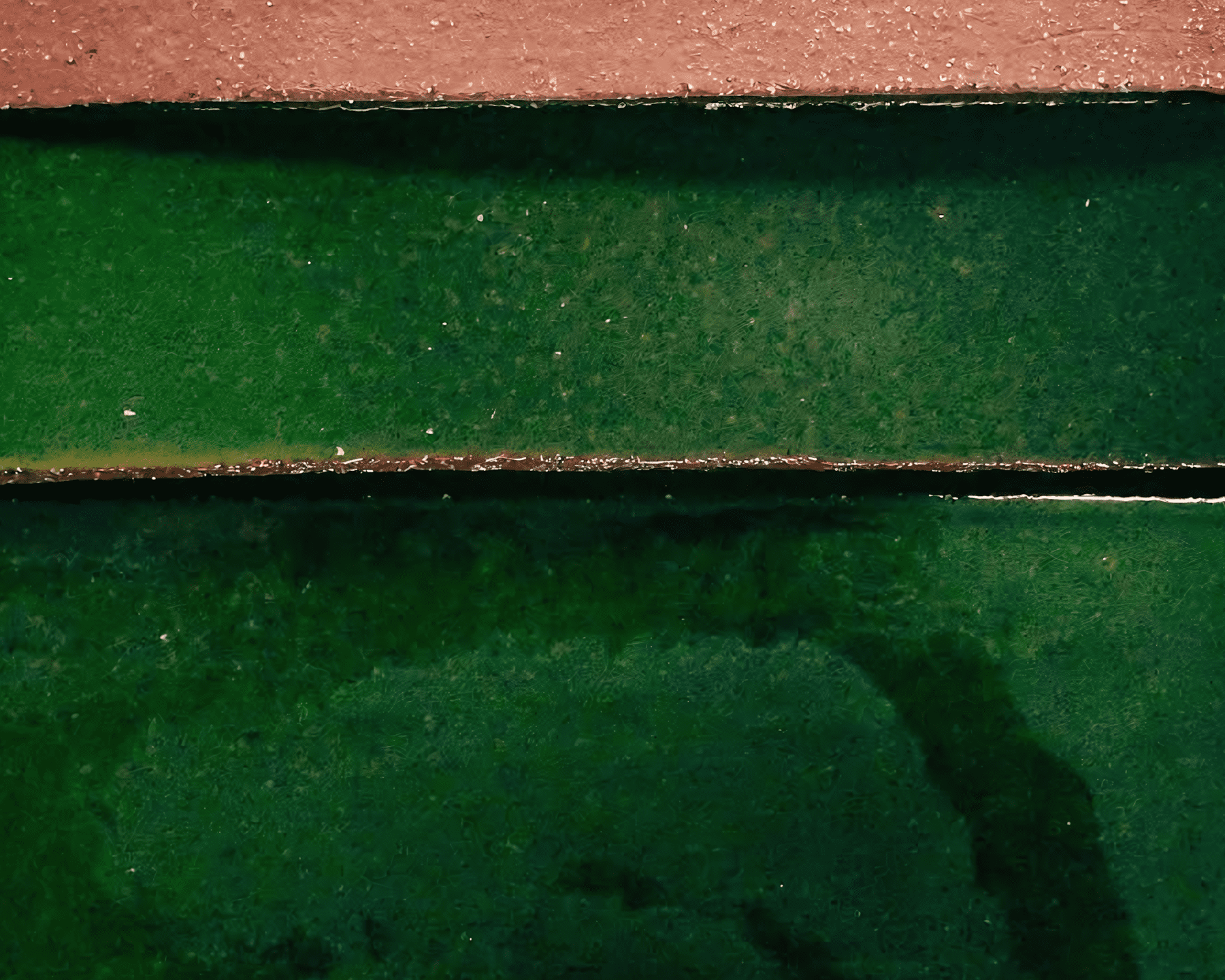
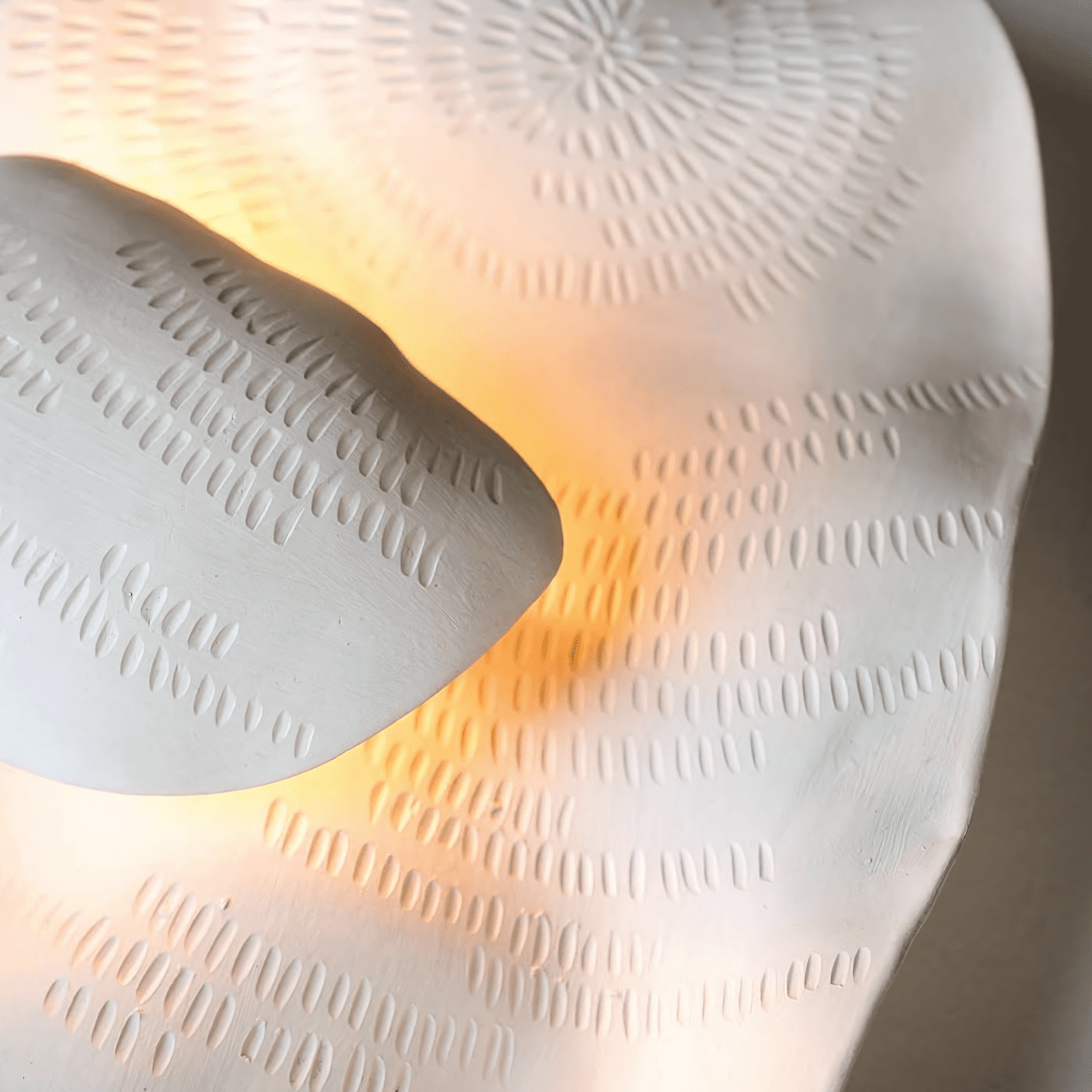
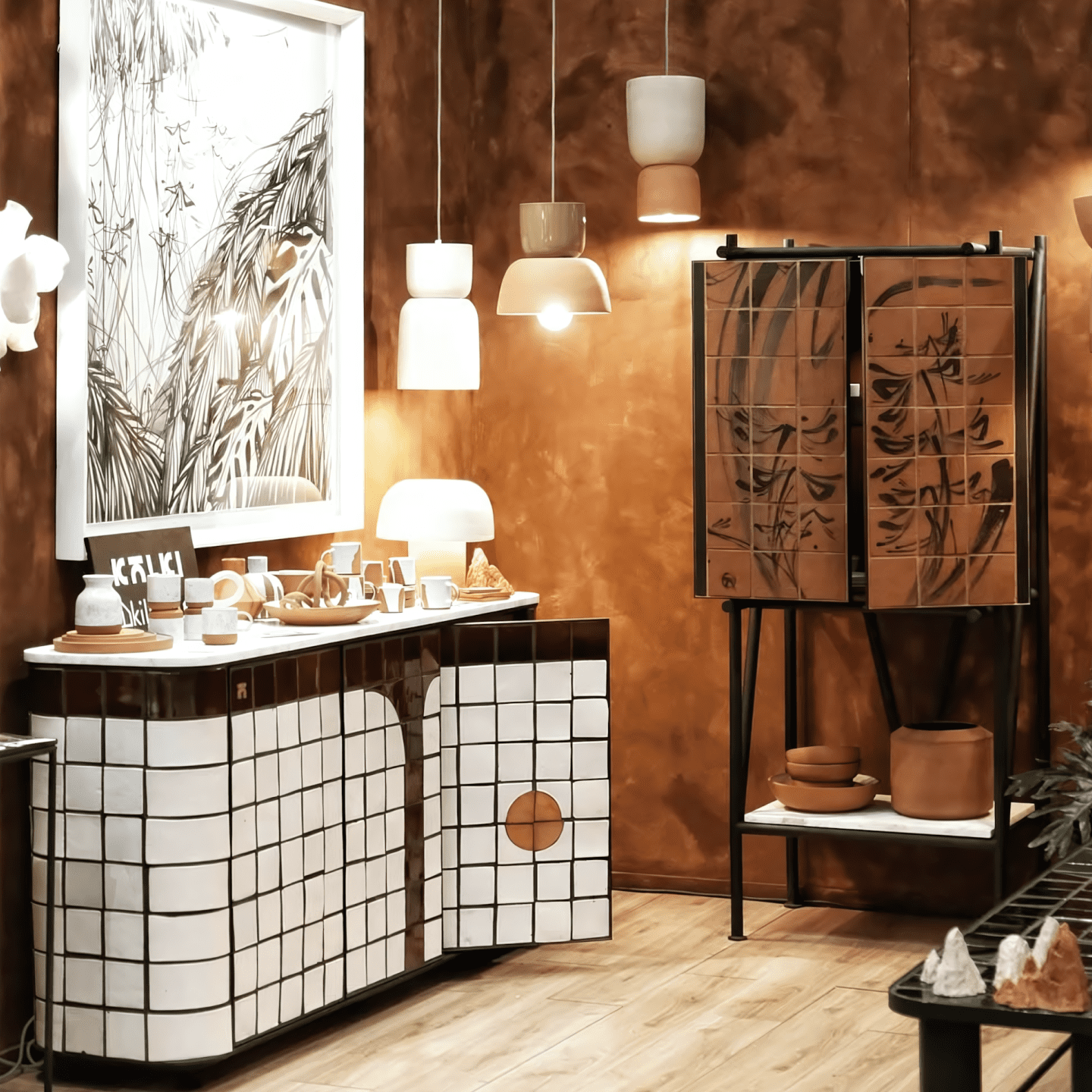
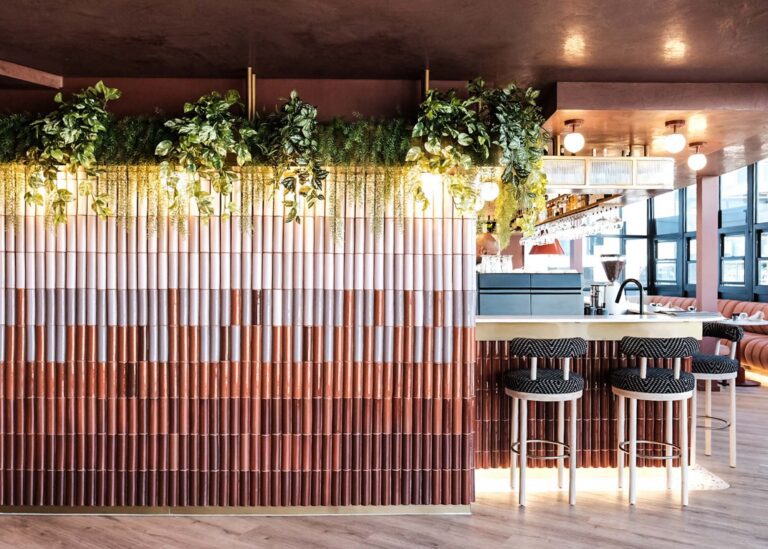
Studio Kalki pieces have a strong visual presence. Clean lines, bold colours, and careful material choices. Ceramics stay at the heart of it. Their tiles glow with deep greens, earthy browns, and tones pulled from actual landscapes.
“The colours we develop are often inspired by nature. Dense forests. The colour shifts you see on a hike,” says Nindya.
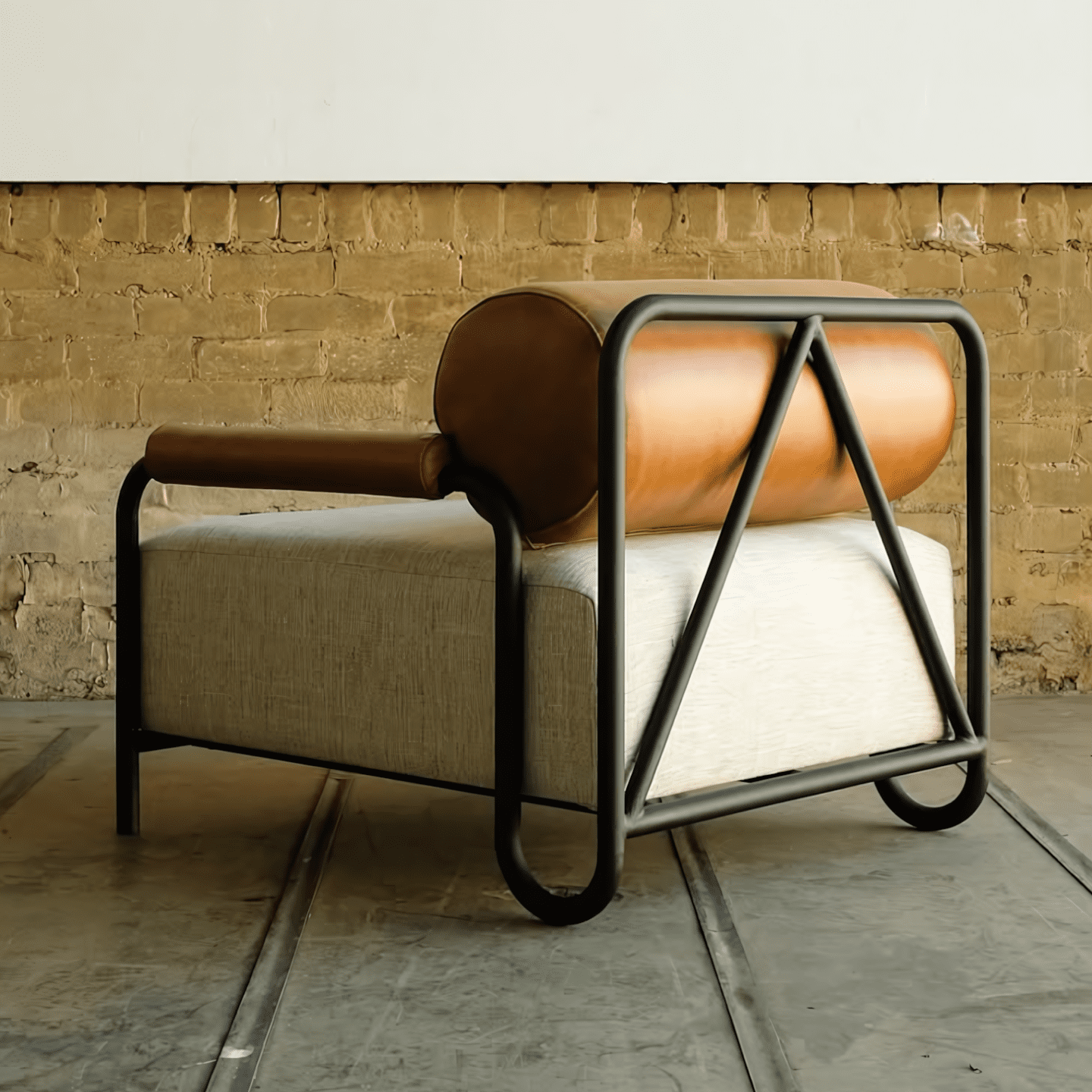
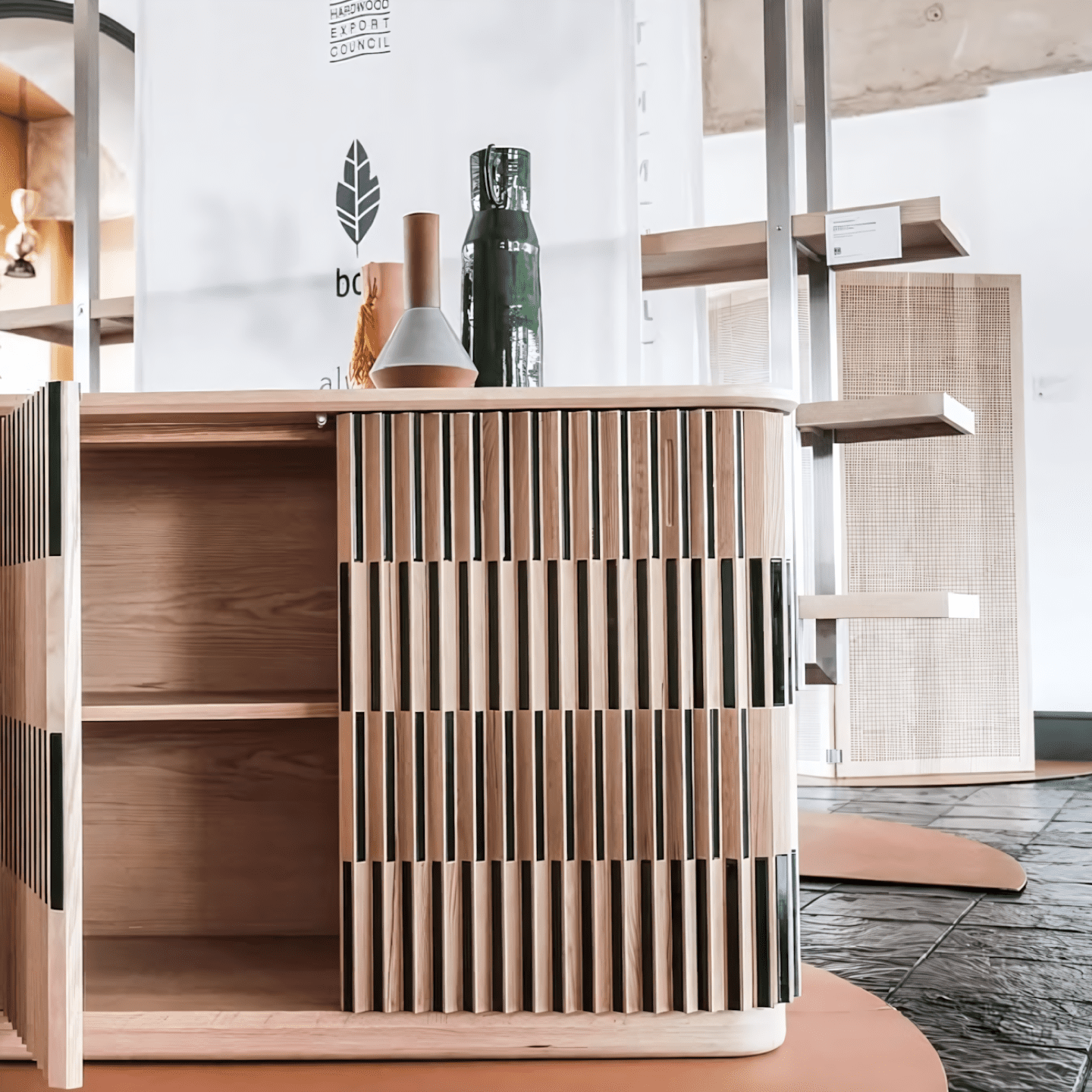
The duo enjoy putting unexpected materials together. Timber against ceramic tiles. Steel frames that hold soft curves. Their combinations feel confident and tactile. “We enjoy contrasting materials to highlight their inherent characteristics and to invite people to engage on a tactile basis,” says Nikhil. The results are pieces that feel honest and expressive without shouting for attention.
The Kalki Sofa 01
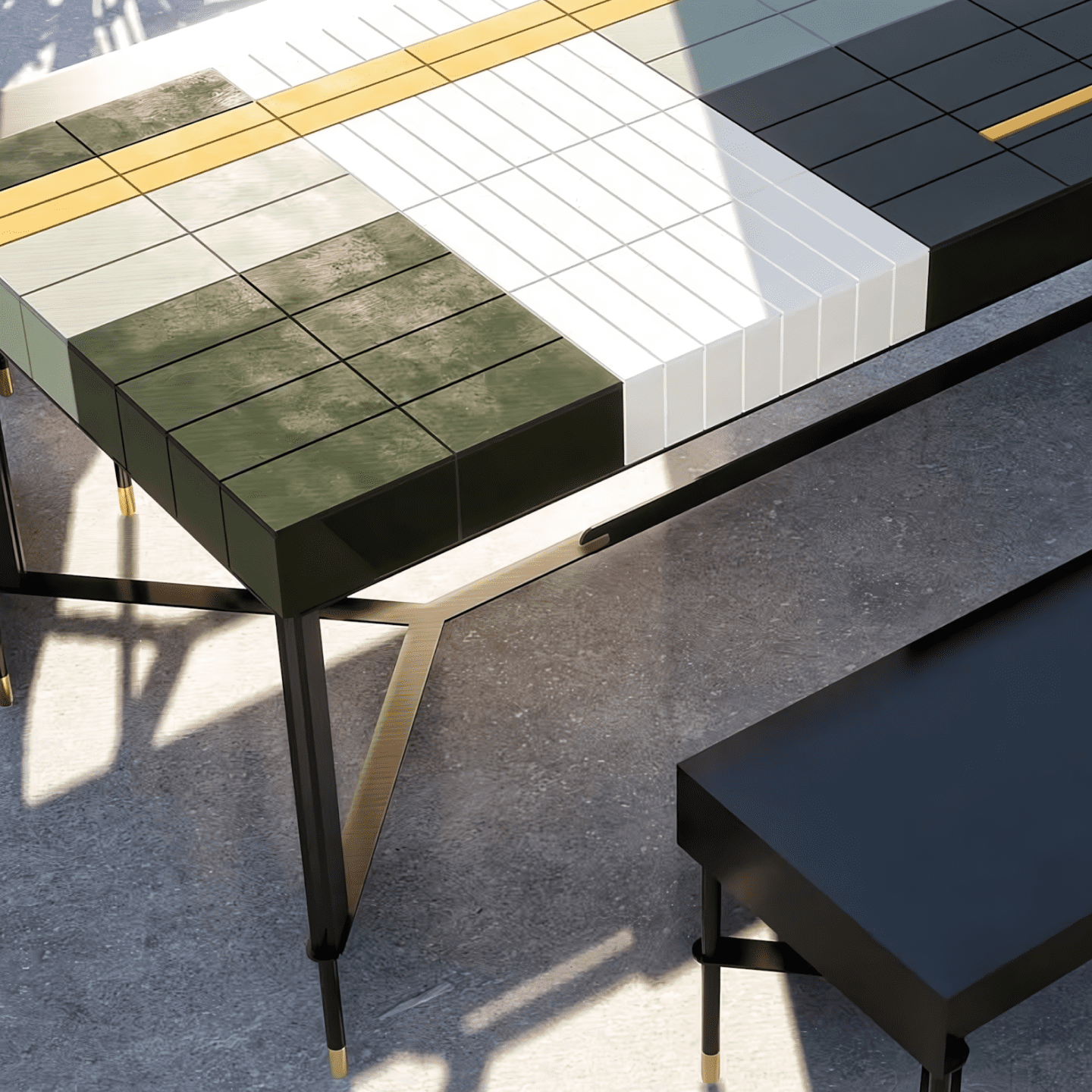
Kabir Dining Table and Benches
A day inside Studio Kalki moves quickly. Clay is being worked, colours are being tested, and ideas jump from sketch to prototype before anyone realises how much time has passed. The name itself comes from one of their dogs, which already tells you what kind of studio this is. Warm, welcoming, and full of personality. Nikhil and Nindya solve problems with their hands, talk through ideas in real time, and bring a sense of ease into the space. Nothing here feels rigid. Everything feels lived in and full of energy.
Kalki’s work is rooted in real materials and the places that shaped them. Mauritius. Durban. Forest trails. Coastlines. Their approach reflects this connection. When they talk about making, they speak about time, use, and honest materials. In their view, something made with care, intention, and respect for the planet will always carry more weight and feel more meaningful.
They also speak openly about the strength of the local design community. “South Africa has a very healthy and very supportive design community,” says Nikhil. The duo see collaboration as a natural part of their practice. They learn from other makers, share what they know, and keep the industry moving forward.
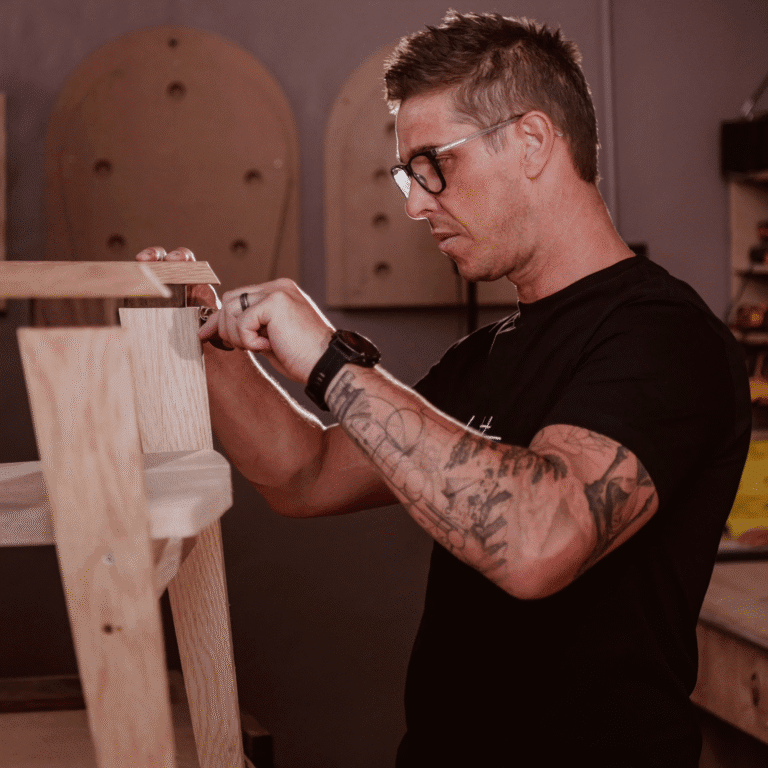
The Boomslang Server, in collaboration with Houtlander
To understand Studio Kalki fully, you need to meet the two people behind it, not just the work they create together. Their individual art practices bring extra depth and direction to everything the studio produces.
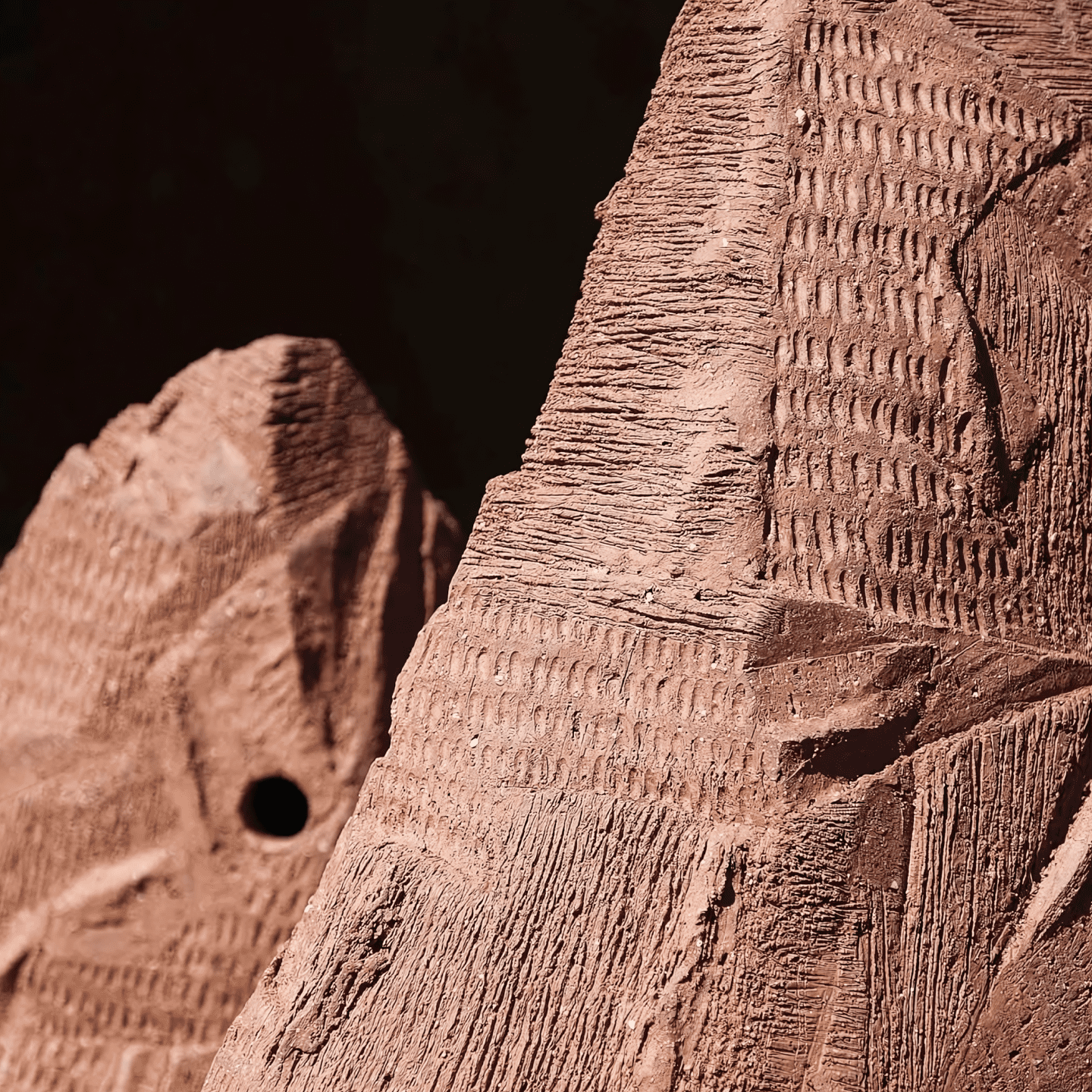
Nindya’s art practice focuses on sculptural ceramics inspired by landscapes and ecological systems. She builds pieces that feel textured, layered, and grounded. Not symbolic. Not abstract for the sake of abstraction. Real materials worked with intention. She works intuitively, guided by rhythm and repetition. Her pieces often appear as clusters or formations, almost like natural growths.
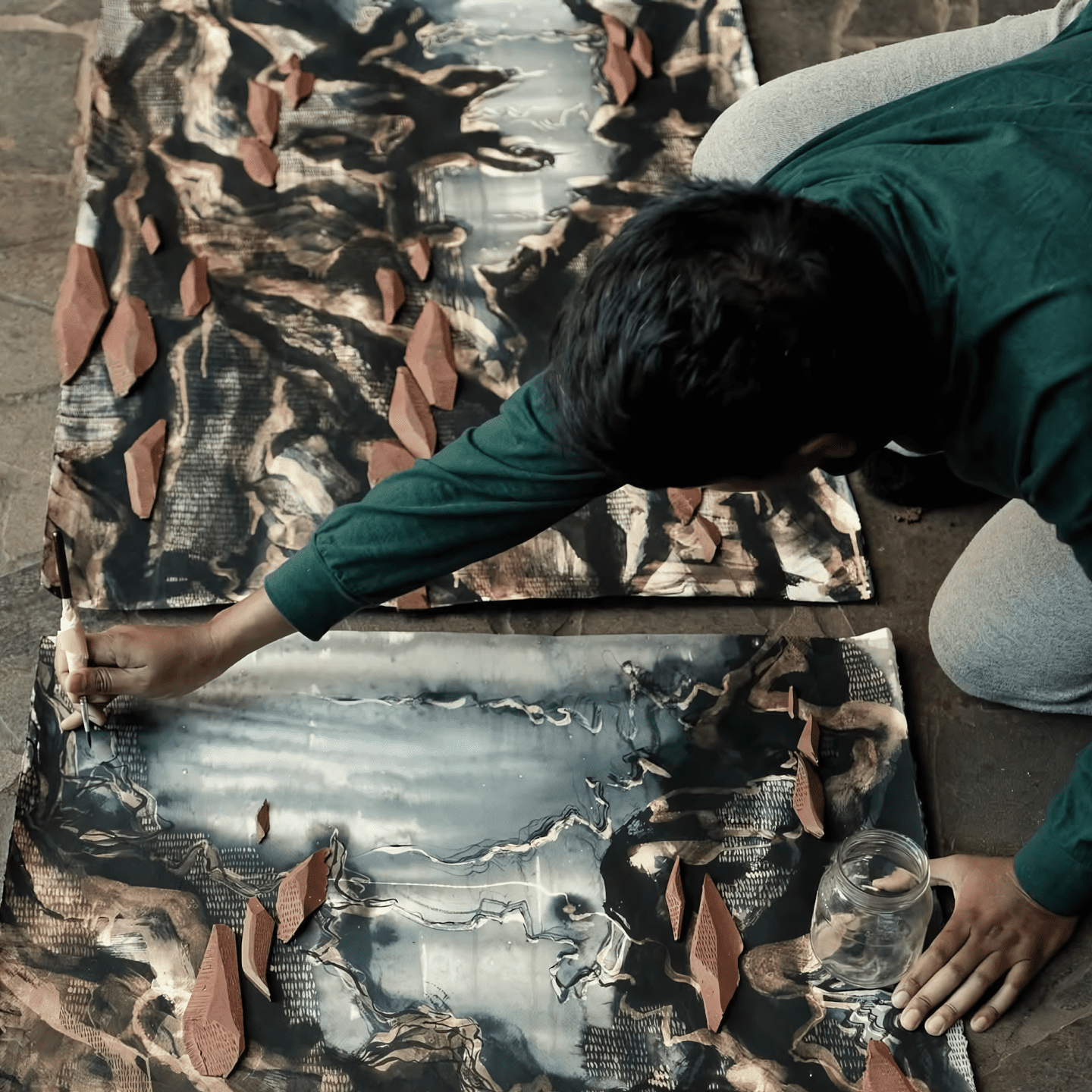
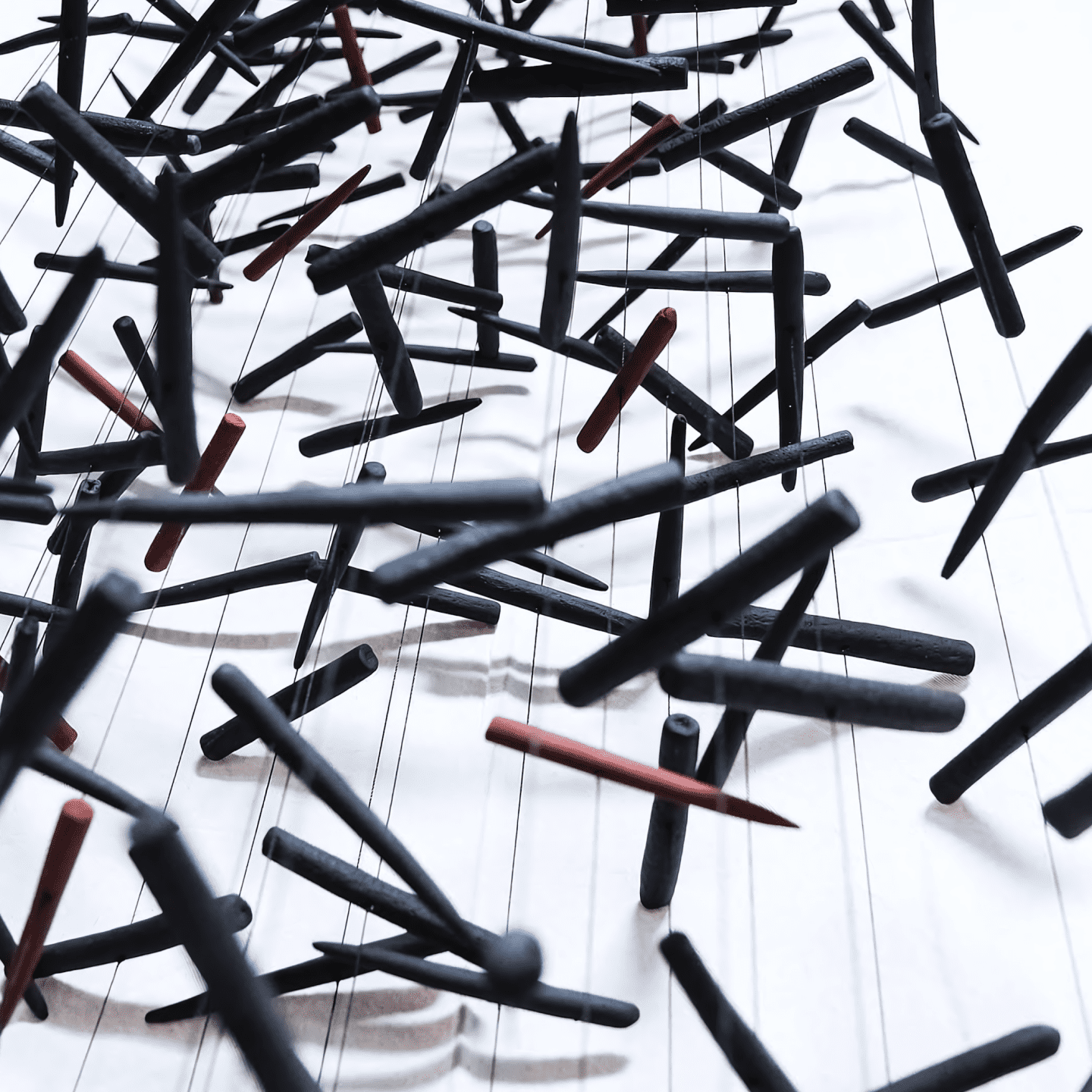
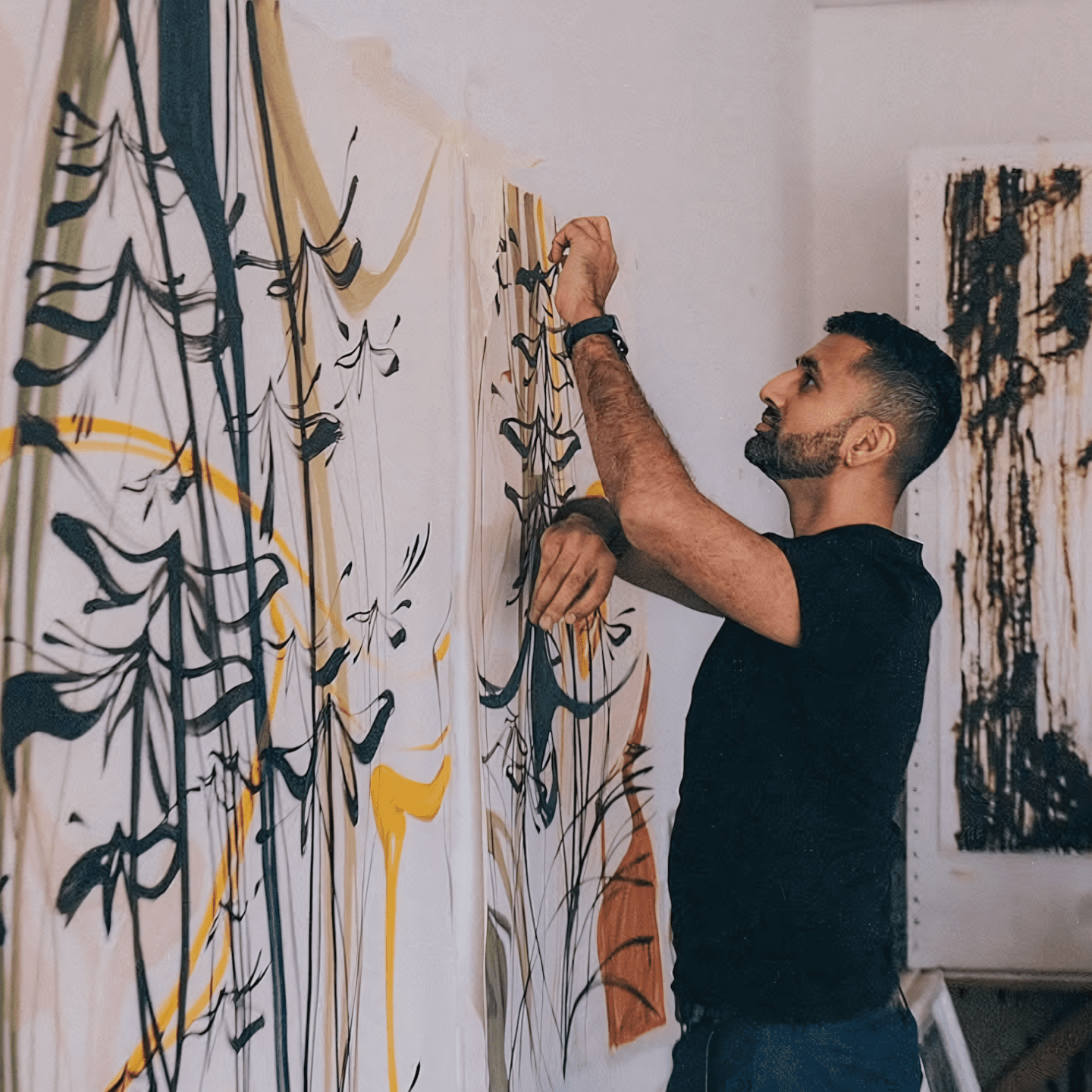
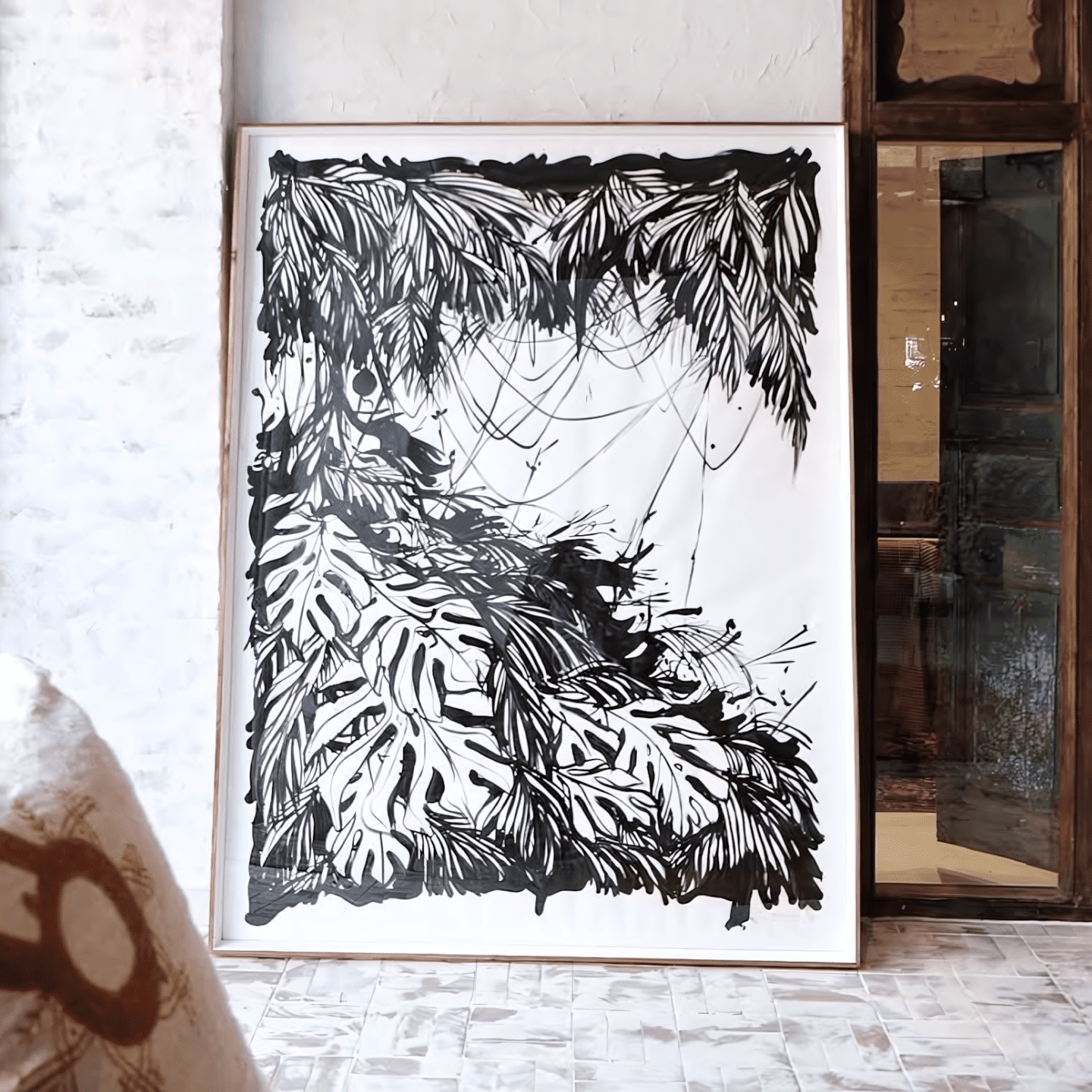
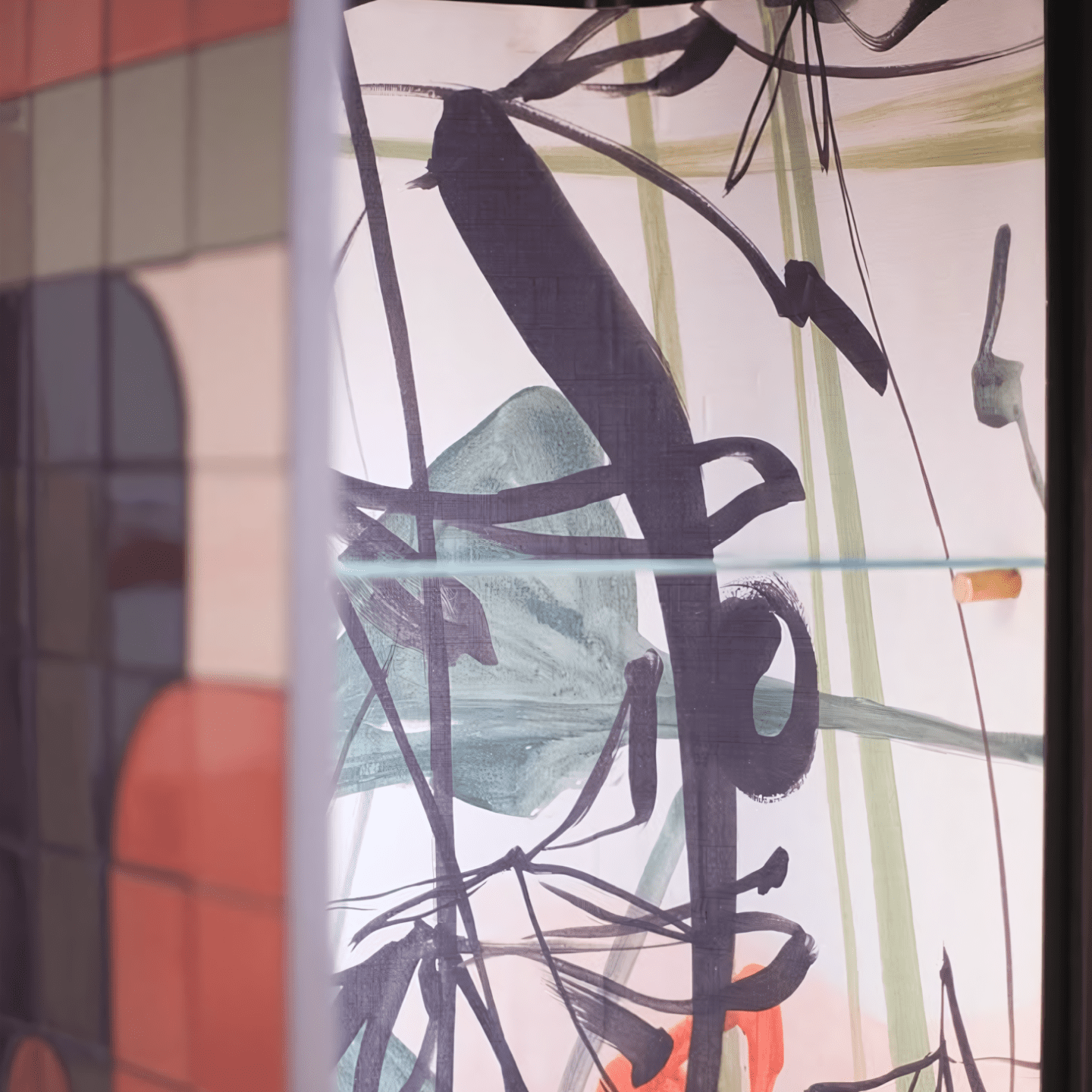
Nikhil’s independent art leans into gesture and movement. His ink and acrylic works explore shape, pressure, and composition. They feel connected to architecture but free from its rules. Large strokes. Clear contrasts. A sense of rhythm. His work feels open and direct, the way he speaks about design. Practical and expressive at the same time.
Studio Kalki is already writing its next chapter. New ceramic installations are in development, along with fresh furniture pieces that continue their mix of strong form and confident material choices. They are also exploring new collaborations and expanding the scale of their studio work. The future looks busy, hands on, and full of the same curiosity that drives every piece they make.
Studio Kalki reminds us that design does not have to be serious to be meaningful. It can be playful, practical, and full of colour. It can make you smile. It can invite you in. This is the spirit that keeps their work alive. And it is exactly why the world is paying attention.
Adam Whitehouse is Co-Founder and Editor-in-Chief of Fox & Craft. After 25 years in the world of advertising and design, he’s still chasing what can’t be automated - human hands, brave ideas, and work that refuses to blend in.