Dille Thomas left a ten-year career at the Netherlands’ biggest bank to make furniture. Every colleague he told said the same thing: I wish I could do that.
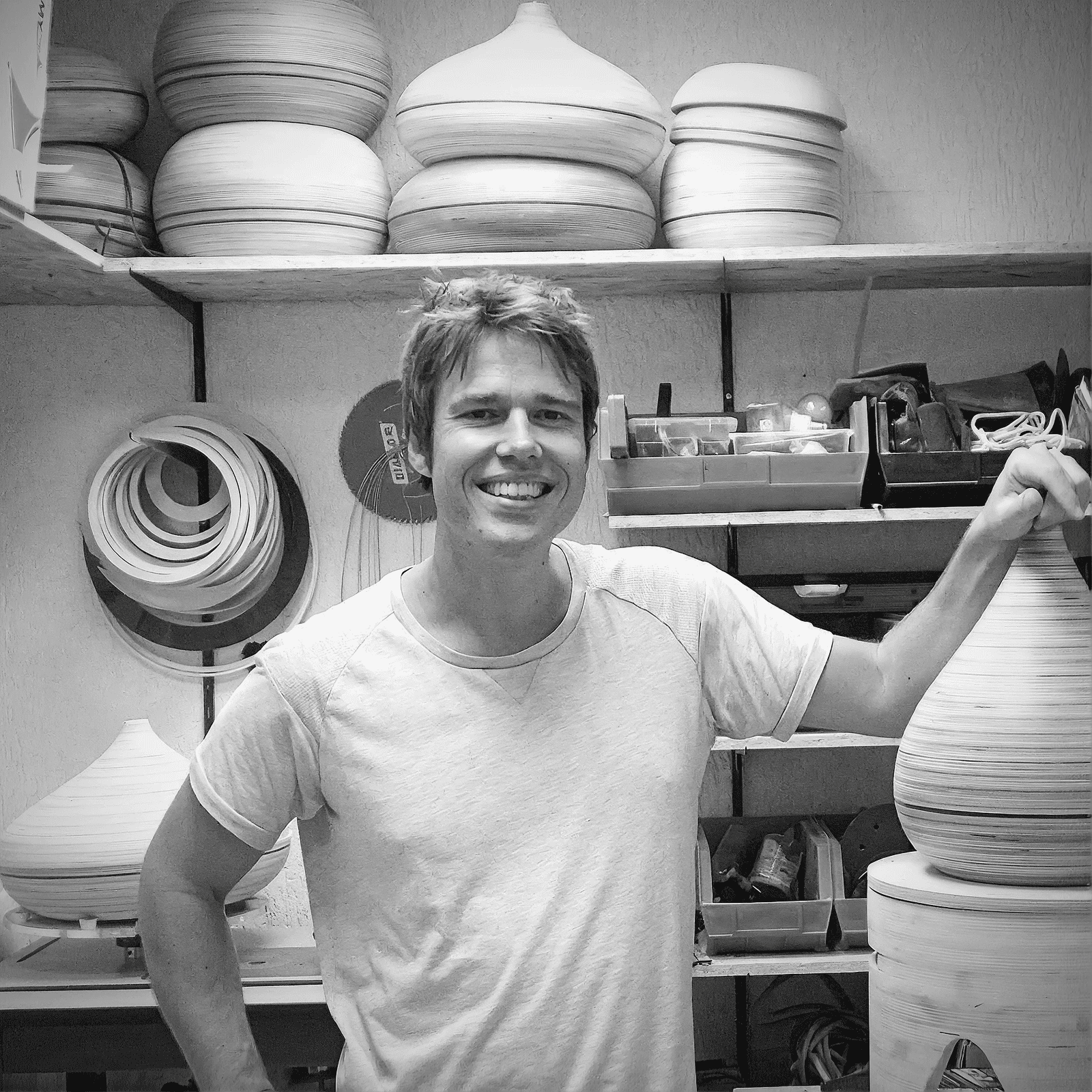
There’s a moment Dille Thomas keeps coming back to. He’s in Utrecht, back at head office after three years consulting in Boston. The bank is as it always was. The job is as it always was. And somewhere along the way, furniture had become the thing that made sense.
“There were two worlds I couldn’t combine anymore,” he says.
He’d built huts and skateboard ramps as a kid. The bank was the detour.
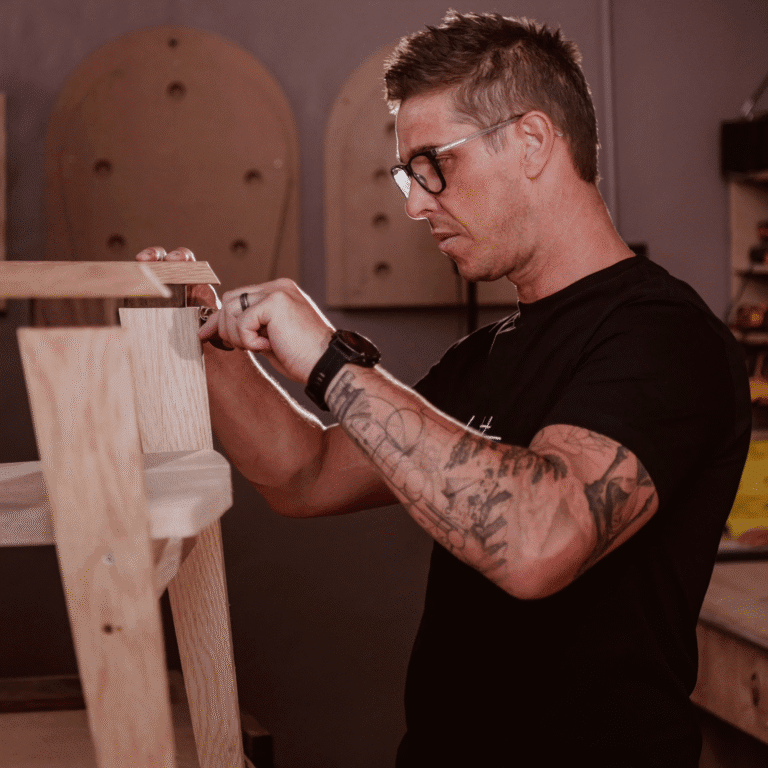
The Boston chapter is where it started in earnest. A makerspace called Artisan’s Asylum. A rented bench. Classes taken after hours, tools learned properly for the first time. He was working part-time for the bank. The rest of the time he was building things. When he returned to Utrecht full-time, the contrast broke him.
He left in 2017. Not dramatically. On good terms. With his boss’s blessing. He was honest about why he couldn’t continue, and every colleague he told said the same thing: I wish I could do that.
The first thing he ever made was a wine rack. Pallet slats, PVC tubes, flower fabric stapled across the front. He calls the look Flintstone now. What mattered wasn’t how it looked. It was that he could touch it. After ten years of providing financial services – intangible, invisible – that was the thing that cracked something open. “I felt alive,” he says. “And that was missing at the bank.”
He founded the studio in the Netherlands, working through organic forms, curved edges, a lathe-turned lighting series. Exploring. Then in 2022, his wife – an HIV oncologist – relocated to Cape Town. He came with her. A garage in Blouberg. More space. A different light. Time to start again.
The work that followed doesn’t look tentative. It looks like he knew exactly where he was going.
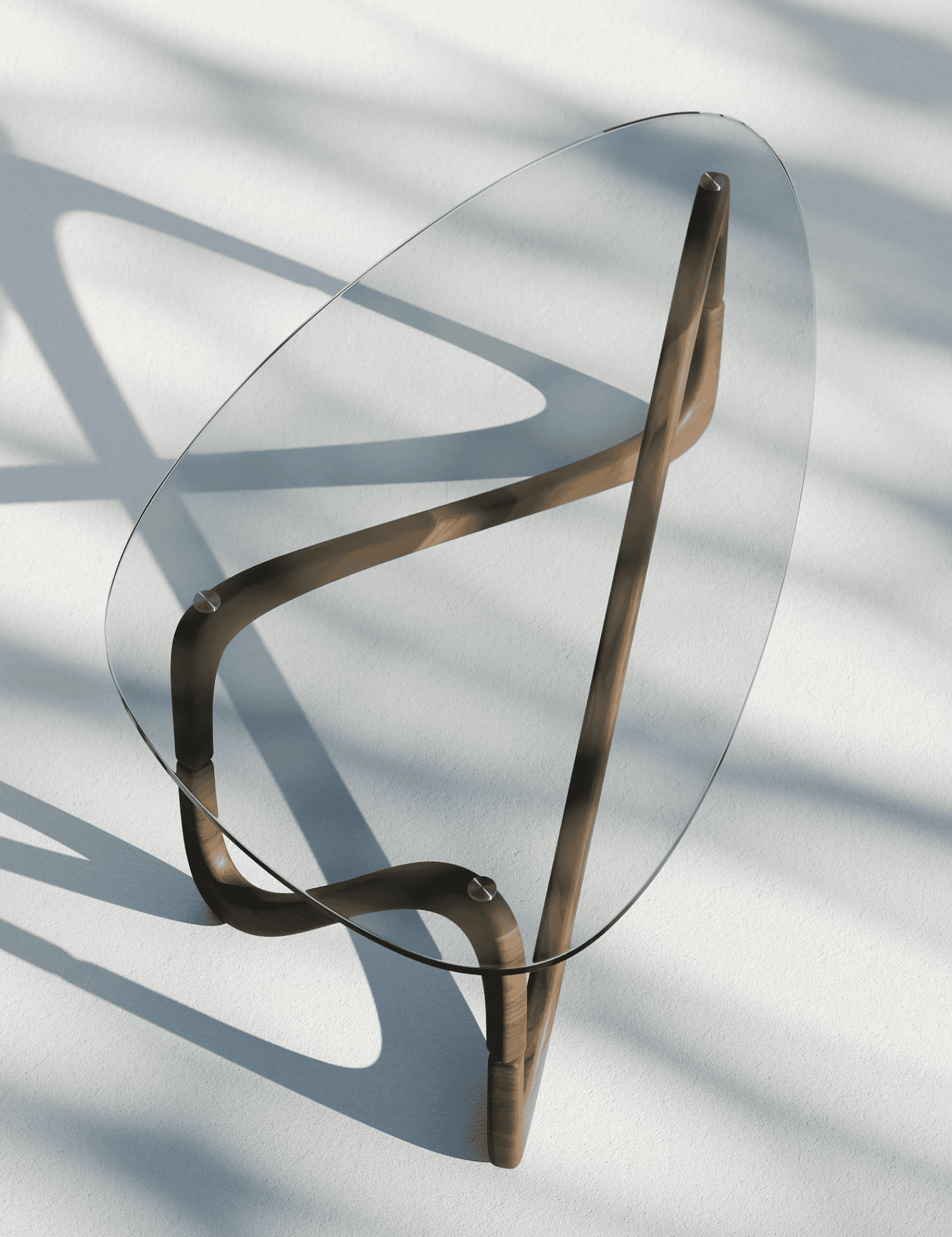
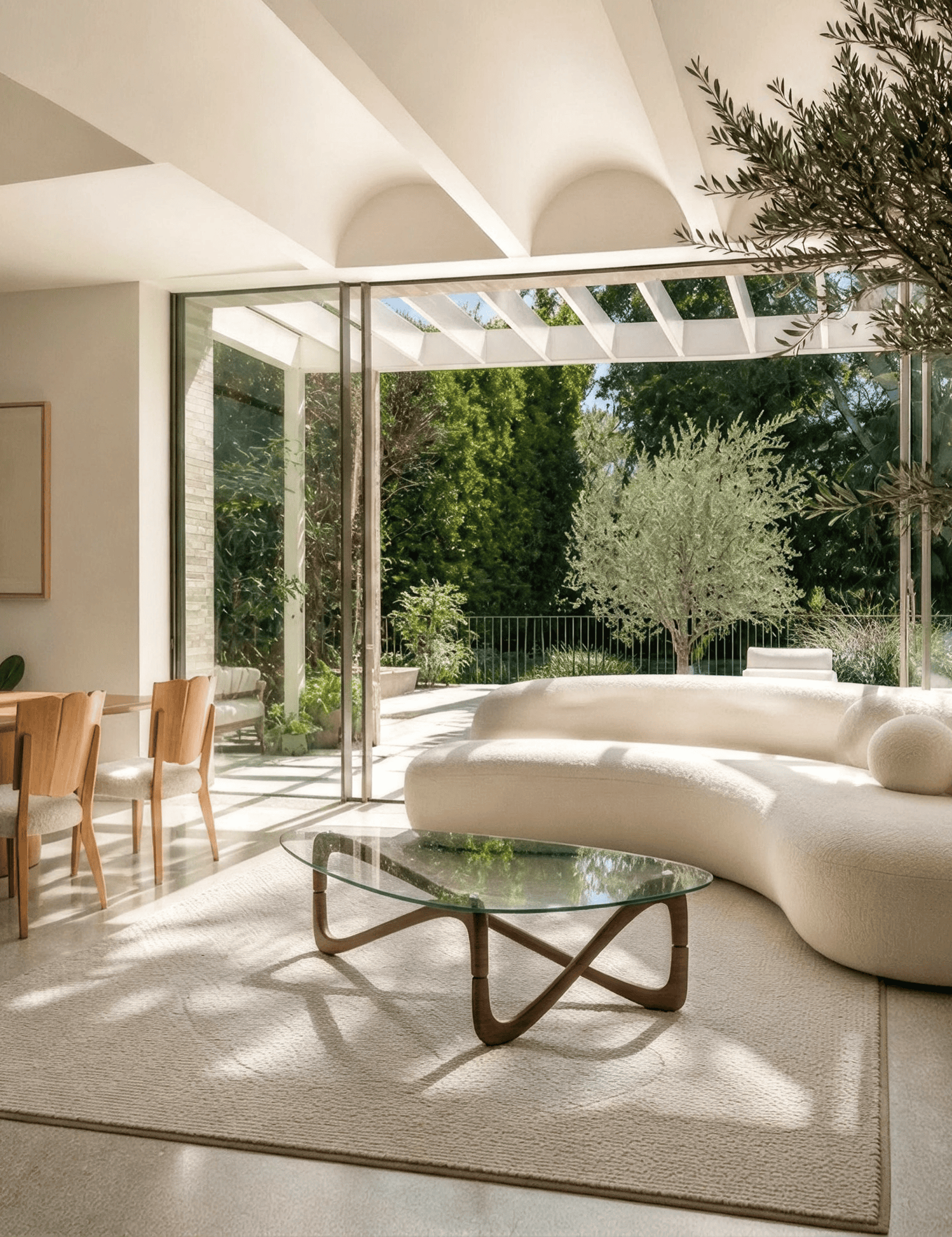
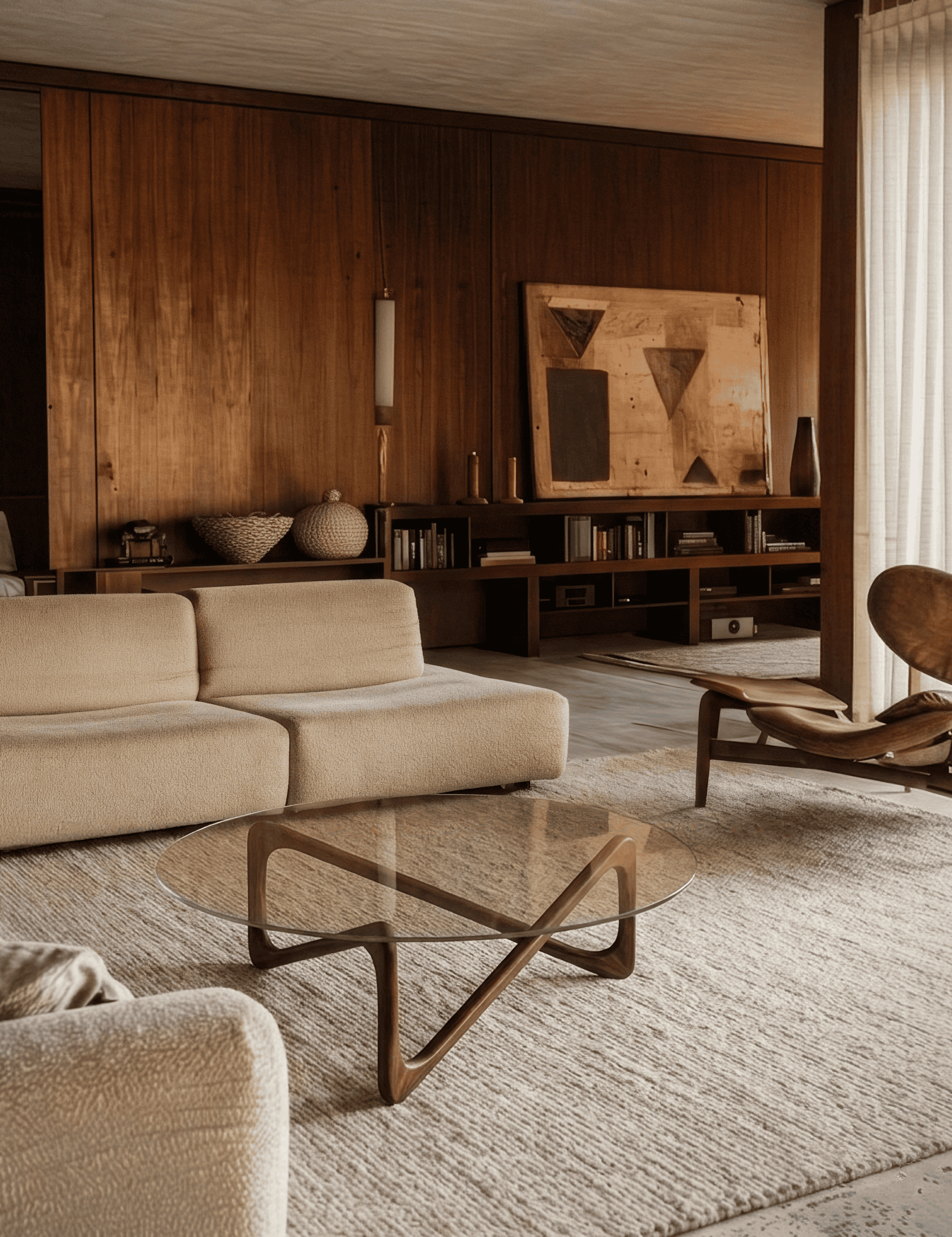
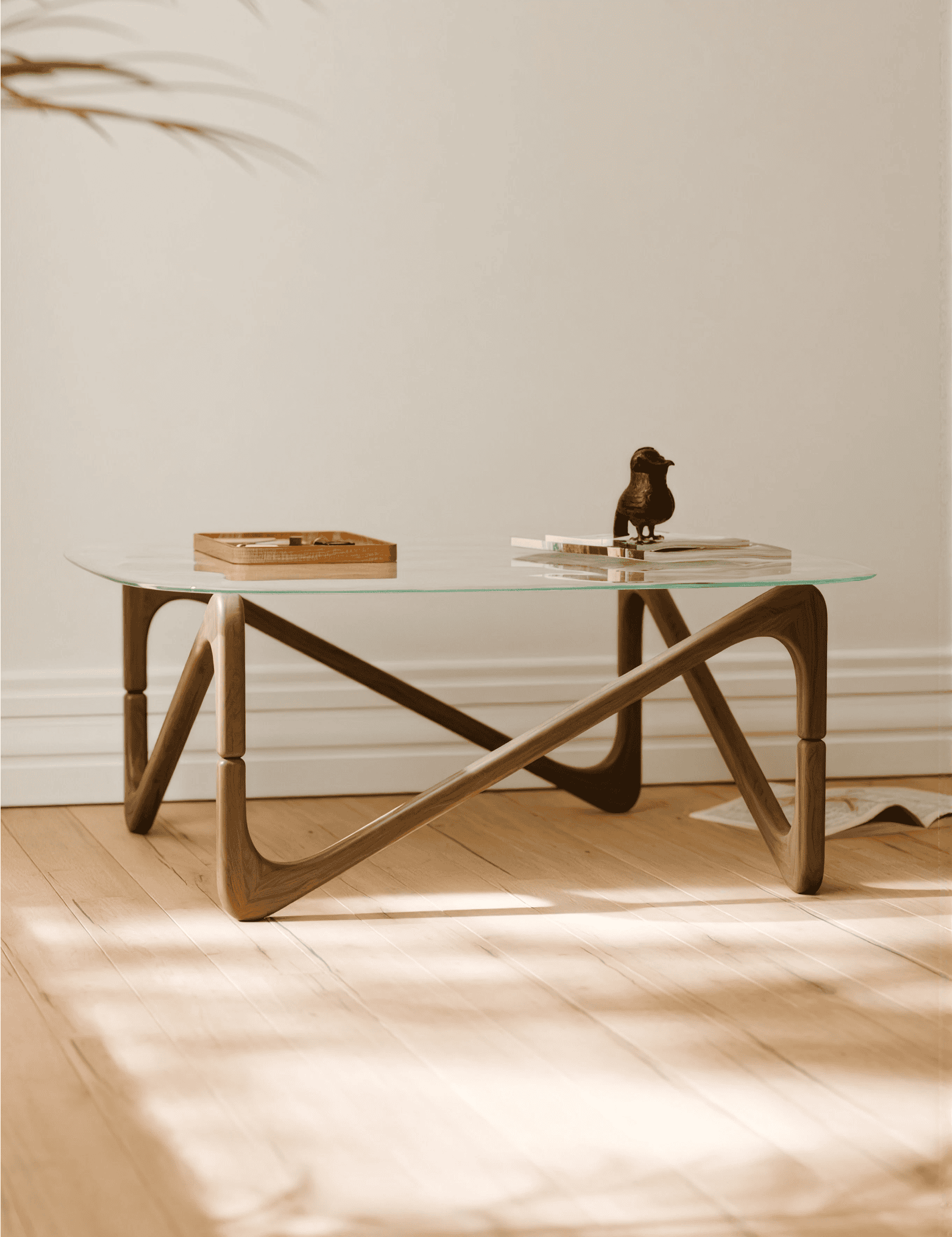
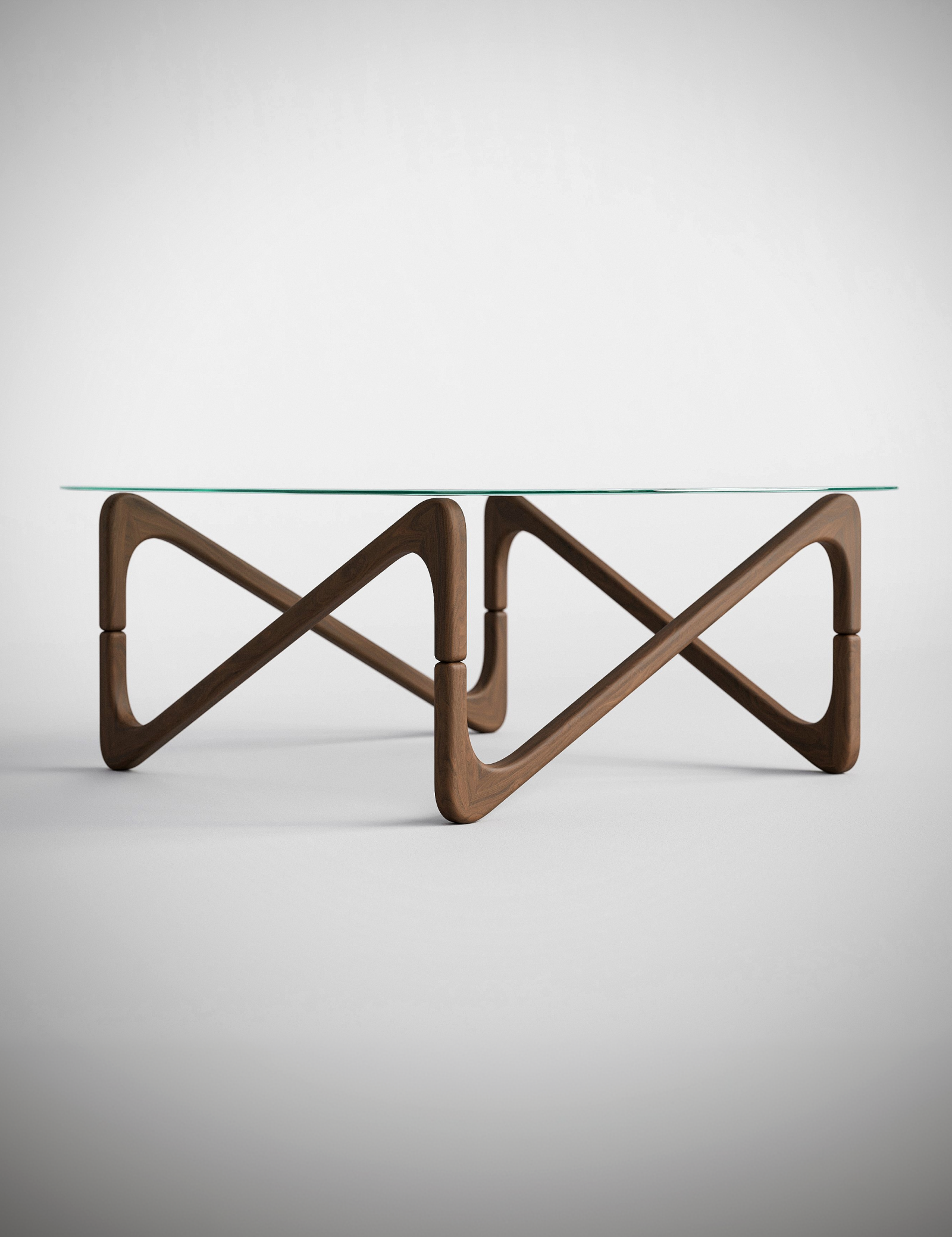
The Continuo Coffee Table is a walnut frame shaped by an infinity loop, tracing a continuous path that lifts and settles as it goes. The form has its roots in a piece originally found at a Palermo market – something he came across in research, and couldn’t let go of. He makes it in four configurations: round, square, rectangular, organic. None of them disappear into a room.
Then there’s Module 40. Which is a different kind of confidence entirely.
A tiled furniture object, hand-built on a strict seven-by-seven grid. White porcelain mosaic tiles, 48 by 48 millimetres, laid face-up to prevent sag, grouted with liquid-pigmented colour in red, blue, or yellow. The name is a slight lie – the cube is actually 37 centimetres on each side, arrived at by elimination. Eight-by-eight felt clumsy. Six-by-six, too small. Seven-by-seven was right. He called it 40 anyway. It stuck.
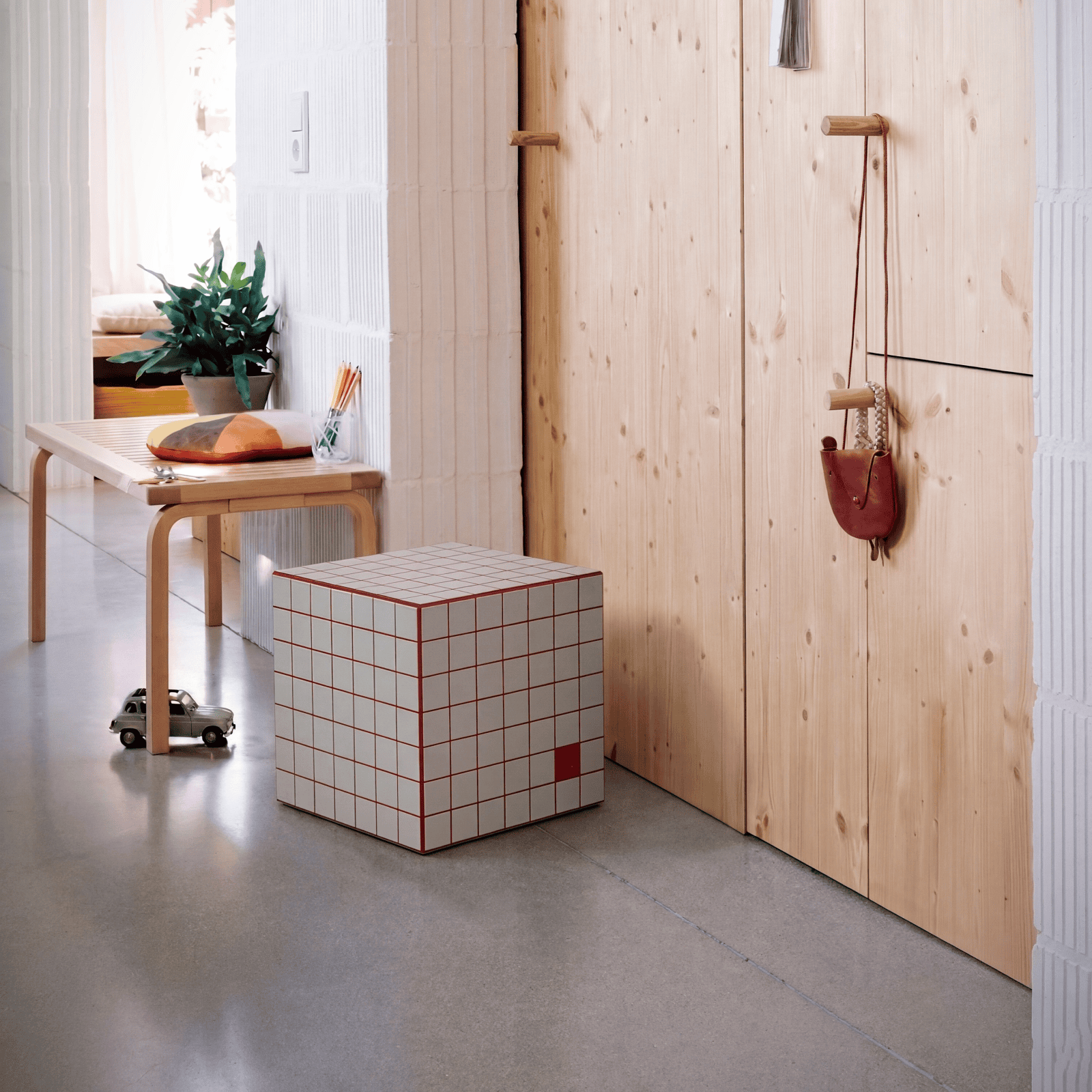
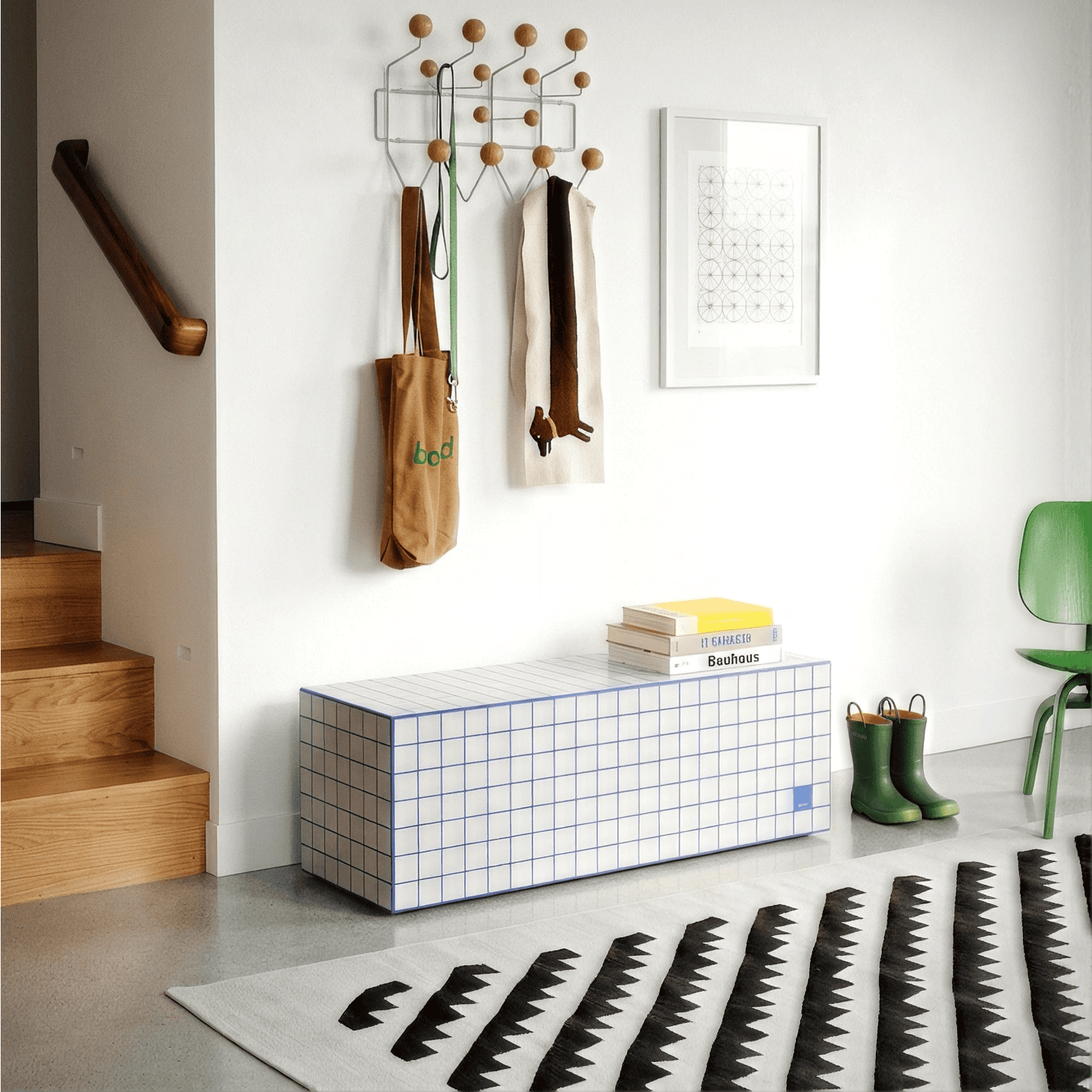
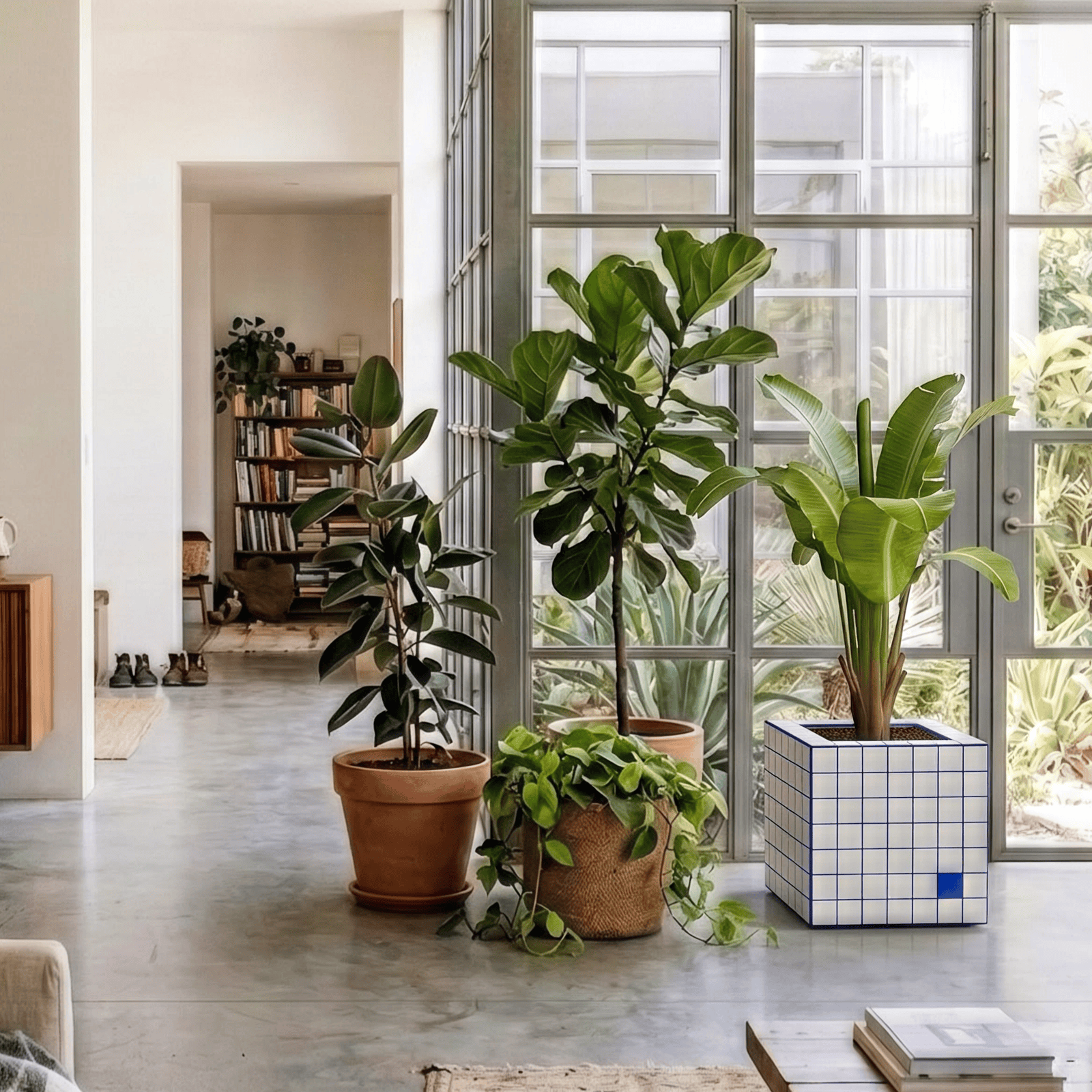
He doesn’t want drawers in it. He doesn’t want feet on it. He calls it an architectural object, not a piece of furniture. In a corner, it rebalances a room. On a terrace, it holds its own against weather and sun.
The grout variation in the surface is not a flaw. He’ll tell you so directly. It’s the point.
The Consoles came later. Three block forms. Same logic as the Module. Geometry does the work. Colour does the rest.
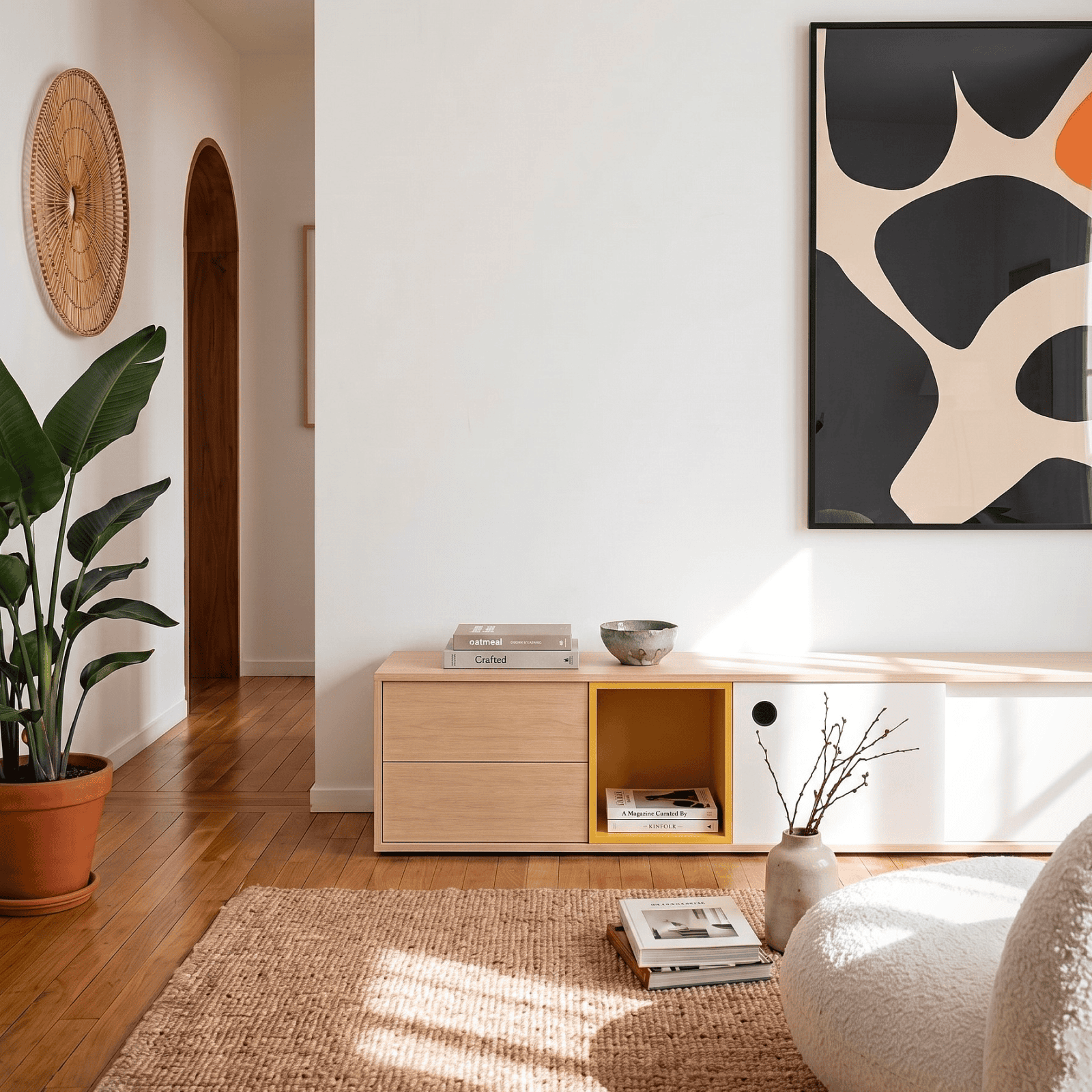
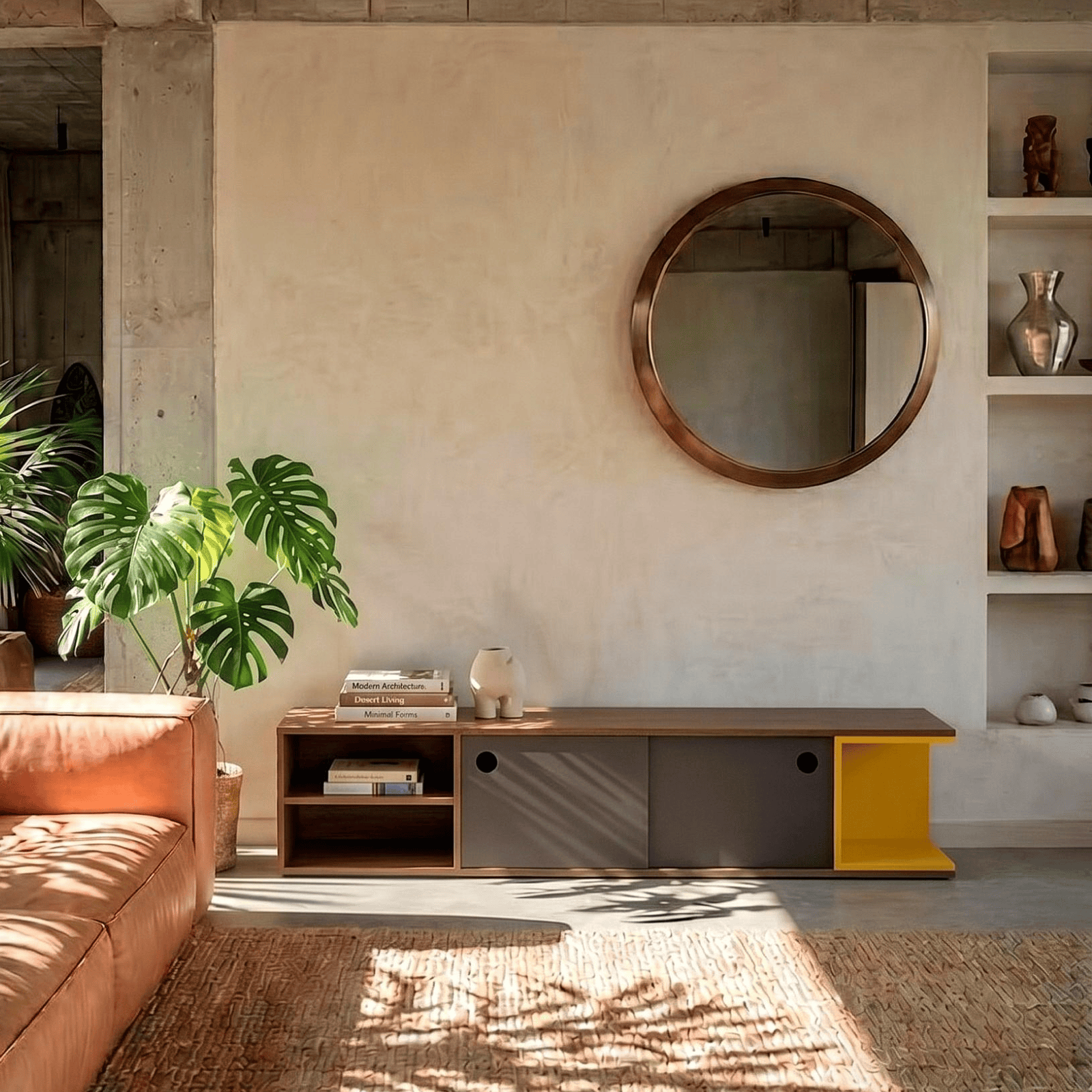
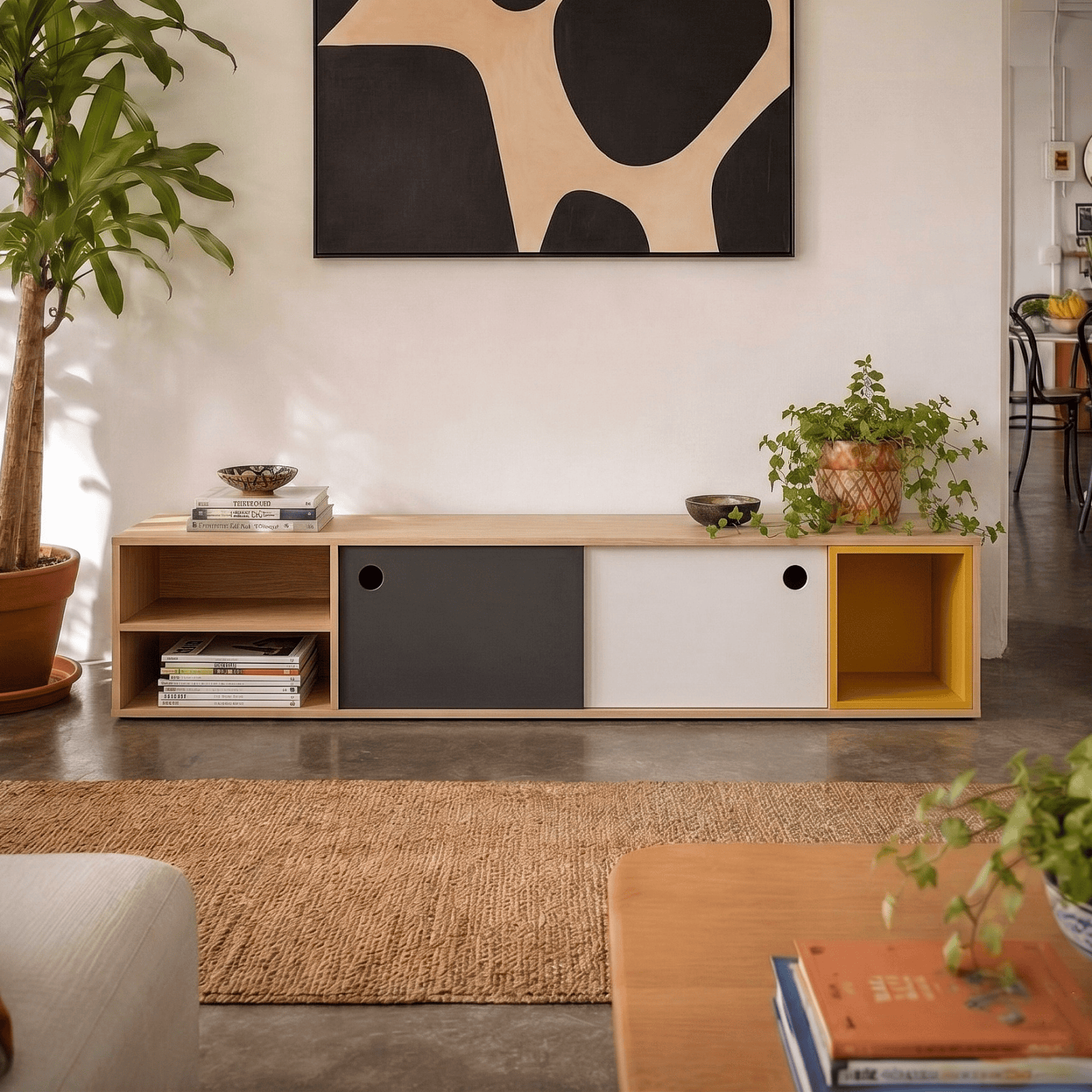
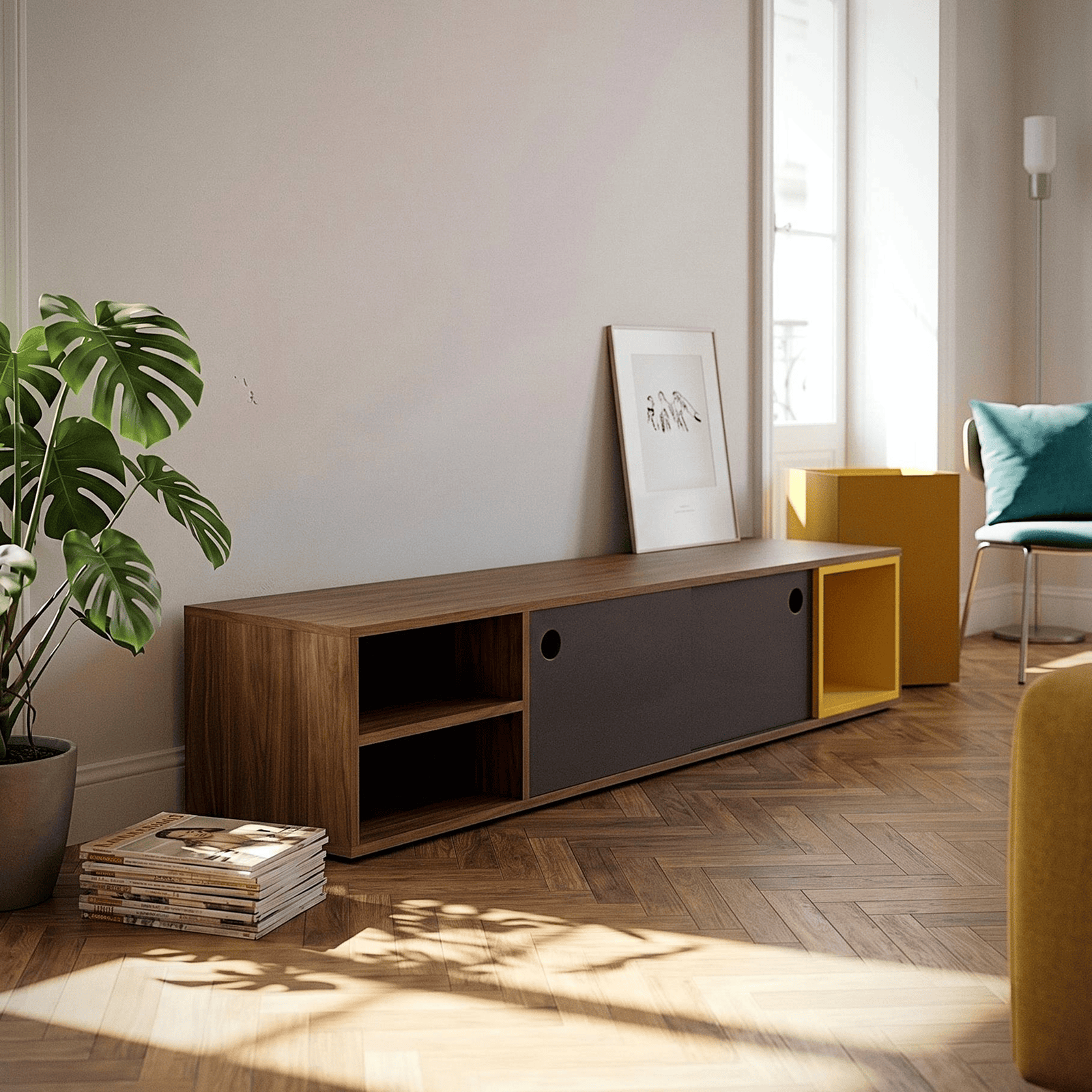
There’s no house style at Studio Dilli. There’s something harder to define and more useful: a refusal to make anything forgettable. The Continuo and the Module look nothing alike, but they clear the same bar.
And then there’s what’s coming…
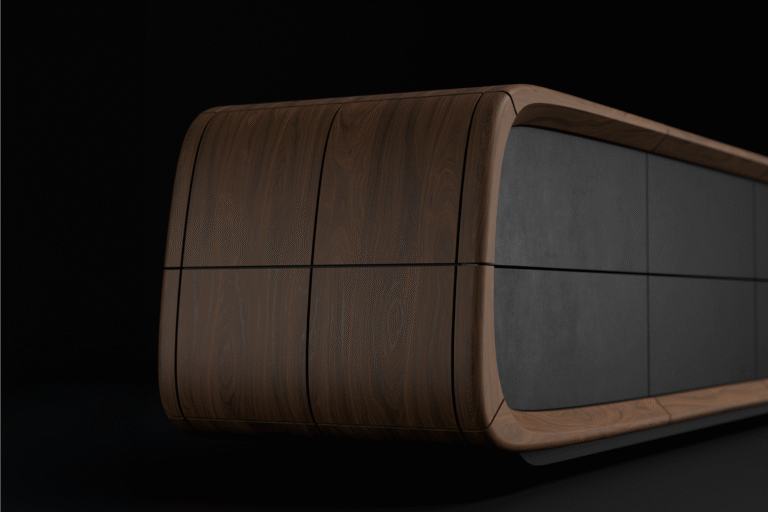
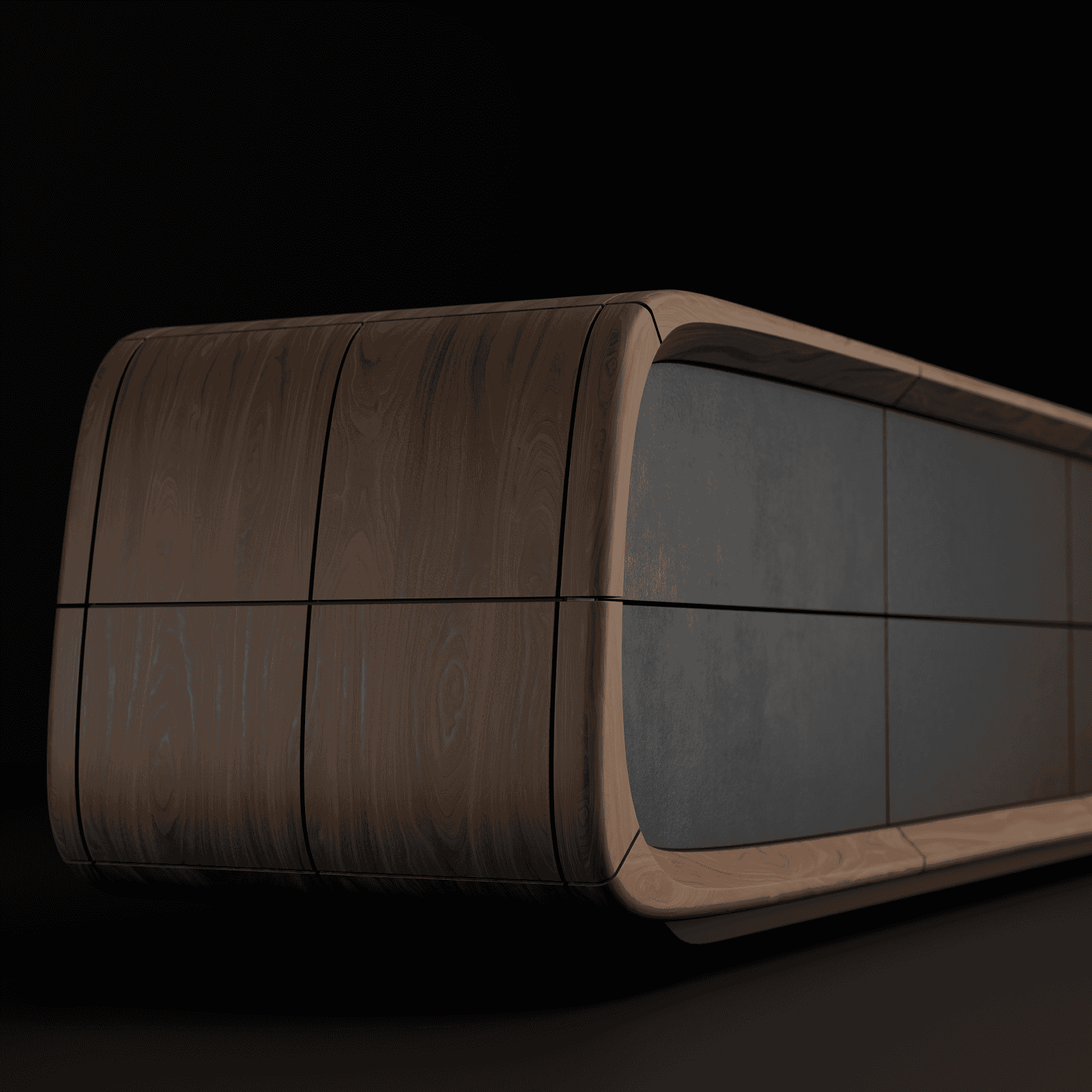
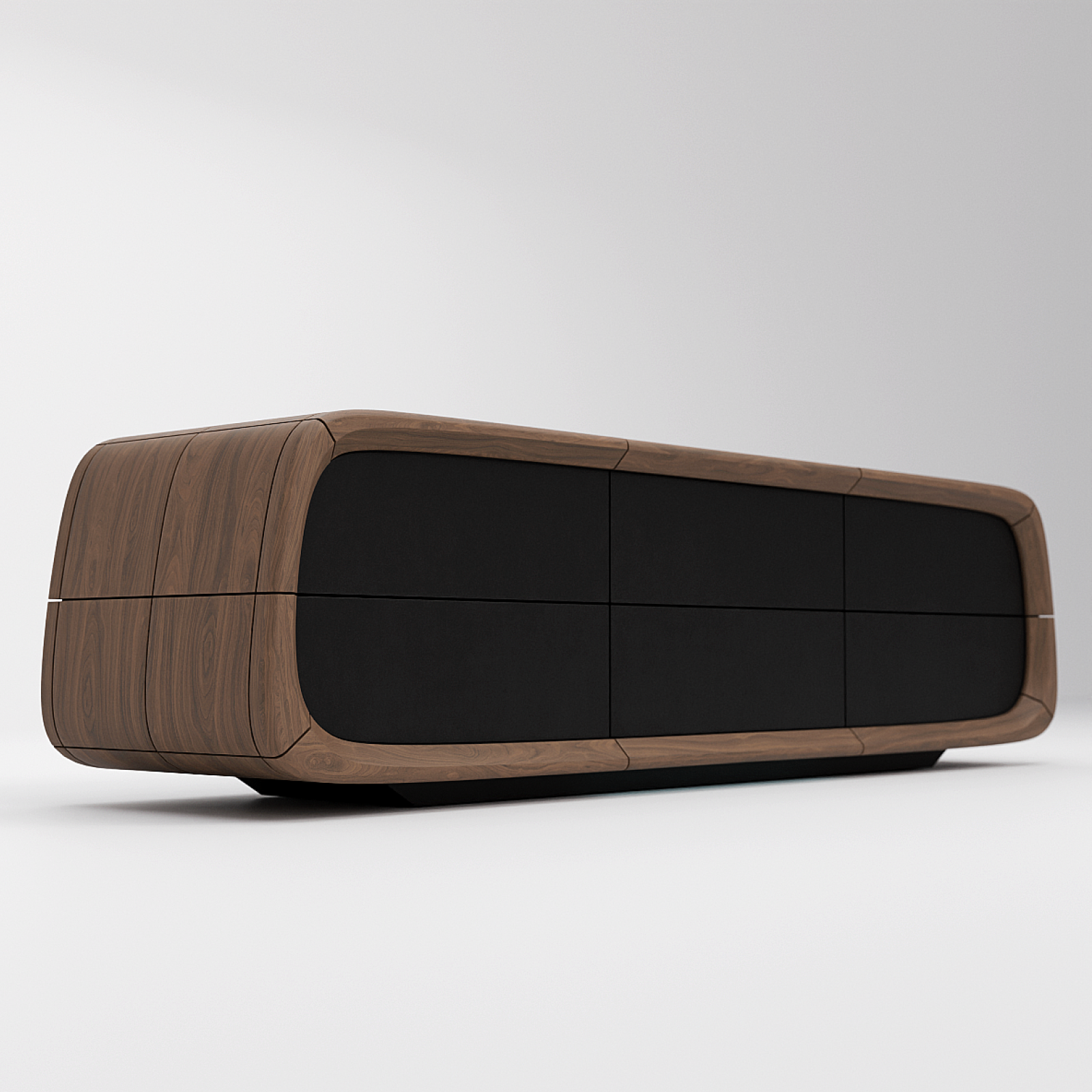
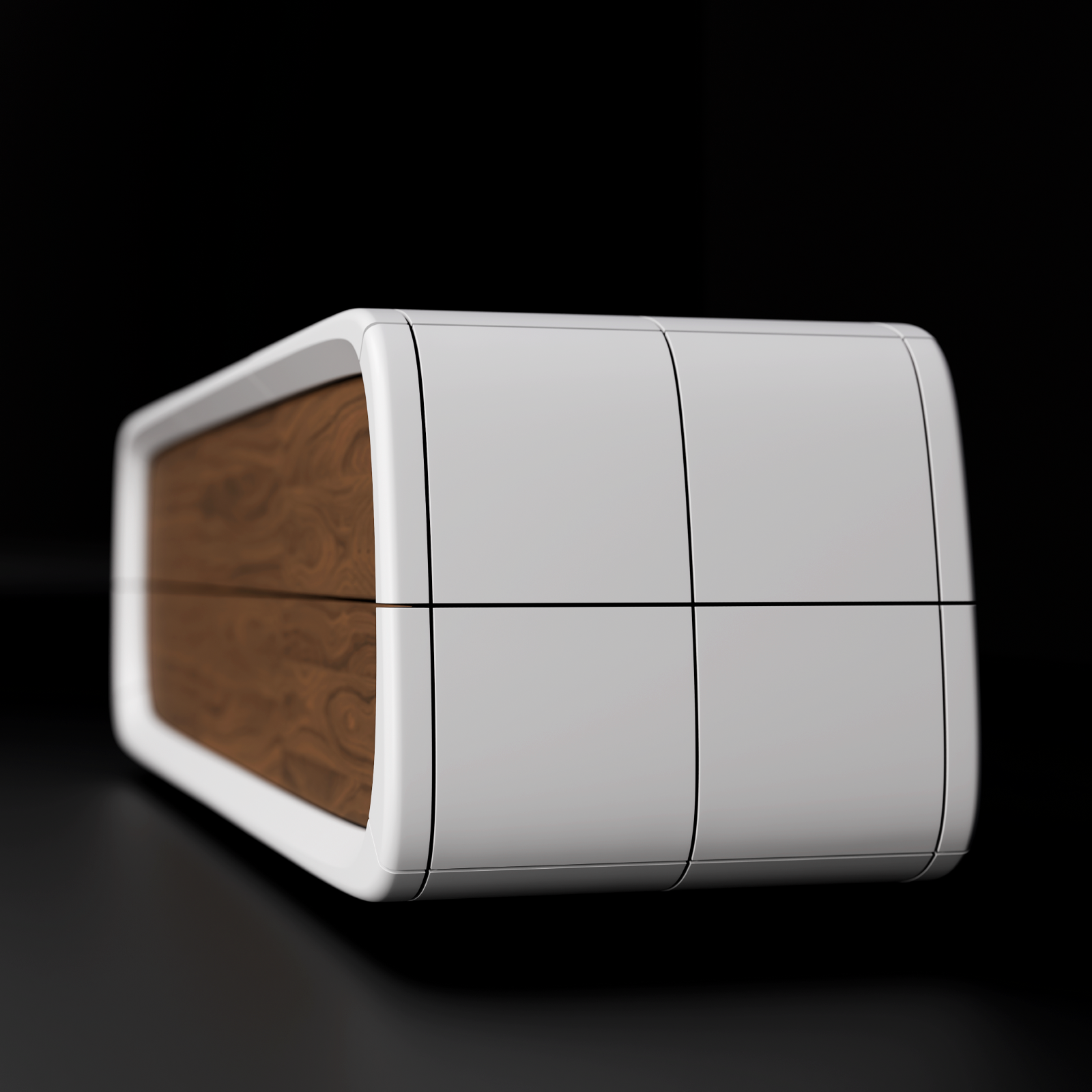
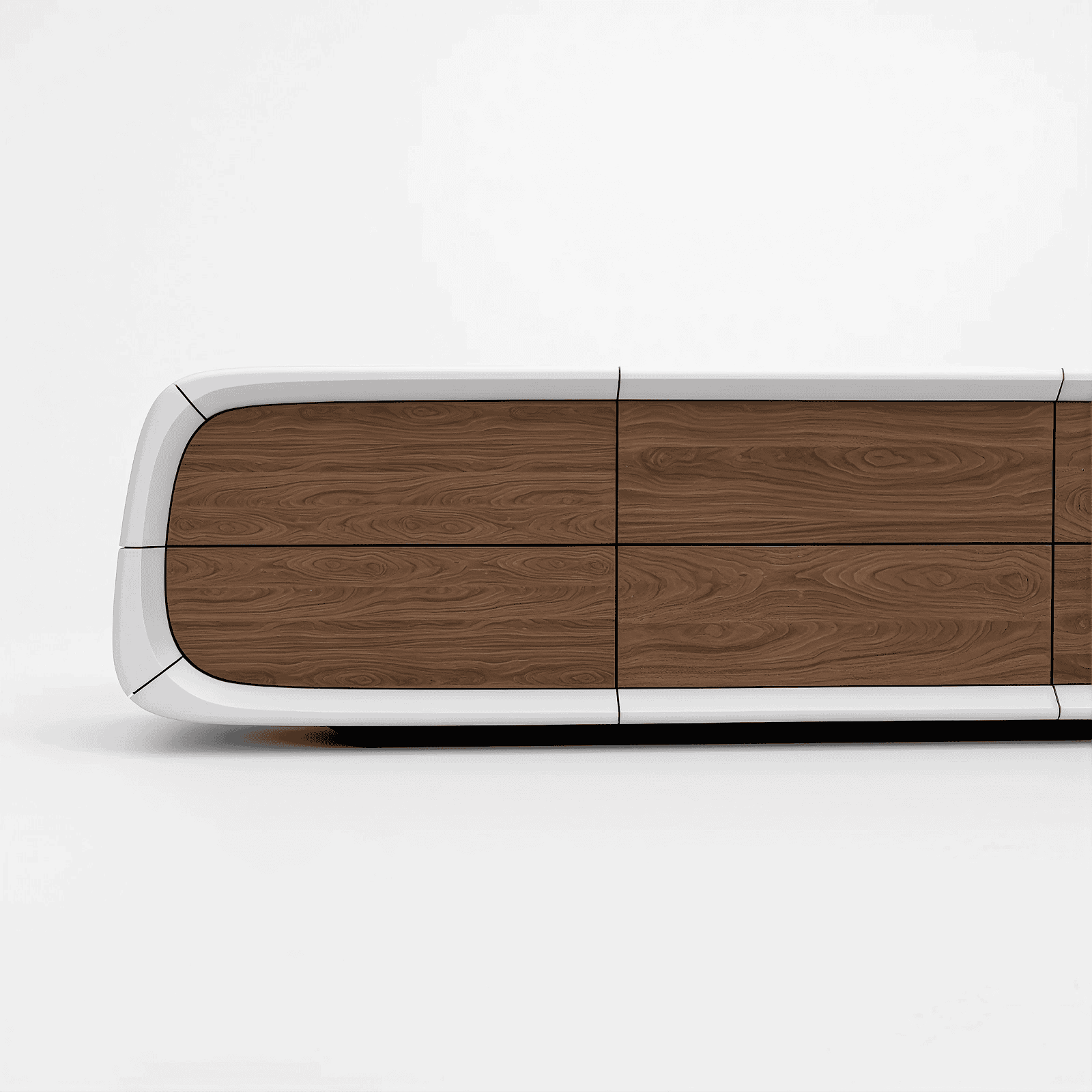
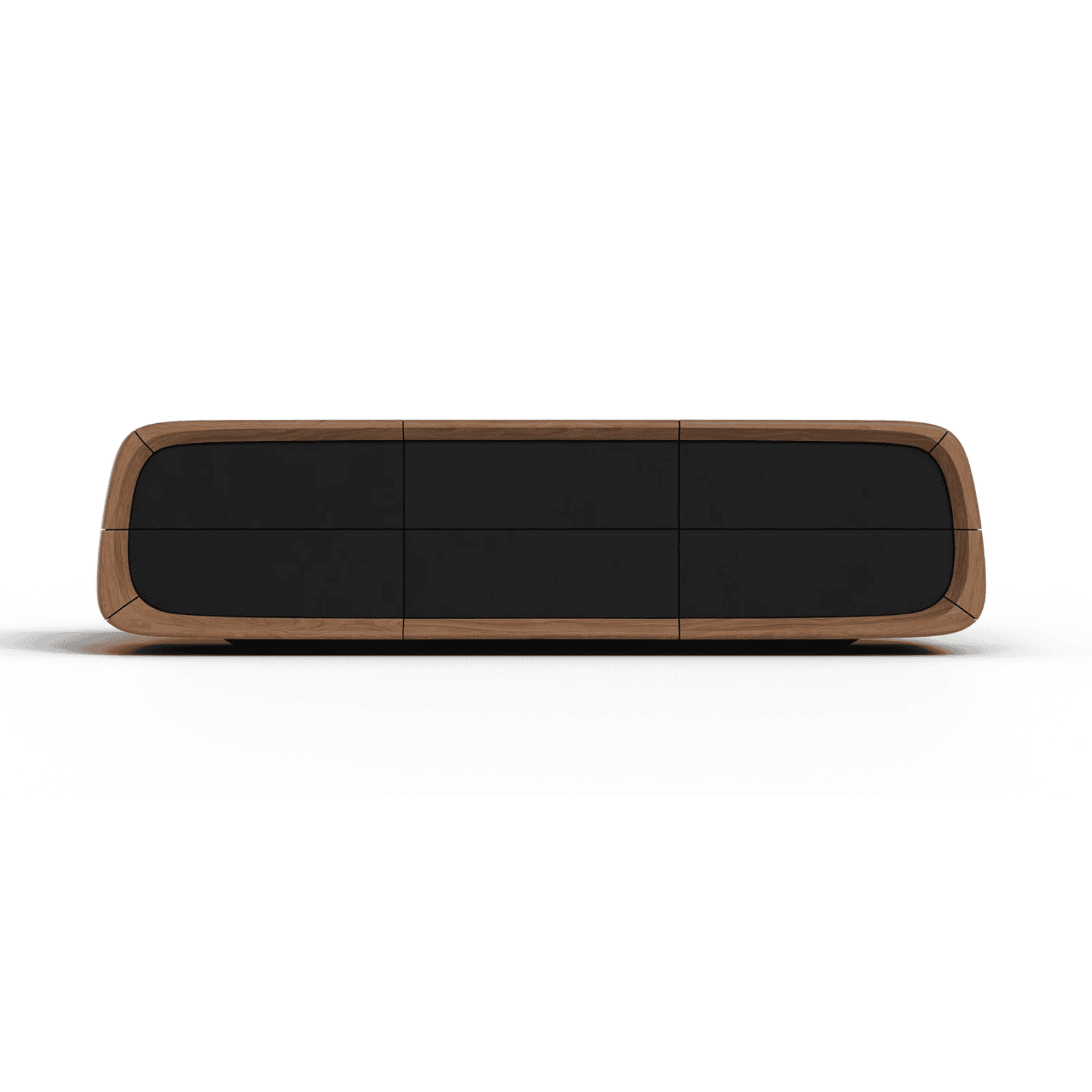
He showed the renders on his phone, mid-coffee, the way someone shows you something they can’t stop thinking about. A low, long console with segmented veneer panels that fold into each other, drawers hidden inside the geometry, no handles, no interruption. He’d started with Italian seventies in mind and ended up somewhere closer to a space age module. The key insight wasn’t aesthetic. It was structural: by breaking the veneer into segments, each panel only has to bend one way. The corner problem – the thing that makes continuous curves nearly impossible without industrial machinery – disappears. One construction breakthrough. An entirely new graphic language. He’s making the first one now.
Exactly the kind of move you’d expect from this studio.
He’s still doing the school runs. Still working from the garage. Still doing the cold outreach because it has to be done, not because it comes naturally. He’s aware that Cape Town’s design community is cliquey and that being Dutch doesn’t make it easier to find your way in.
But things are shifting.
An interior designer received his cold message and didn’t respond. Three weeks later she came back with a concrete brief for a client. A customer in California placed a commission, received it intact, and started being asked by visitors where it came from. Nobody needed a pitch.
This is how it happens for studios like Dille’s. Not through a campaign. Not in a rush. Through objects that do exactly what they’re supposed to do in rooms that needed them.
He’s not scaling to meet the moment. He’s building at the pace the work demands. The work is ready. Cape Town is catching up.
Contact Studio Dilli
- Phone: +27 (0)72 179 3574
- Website: studiodilli.com
- Instagram: @studiodilli